Calorie Counting Made Easy
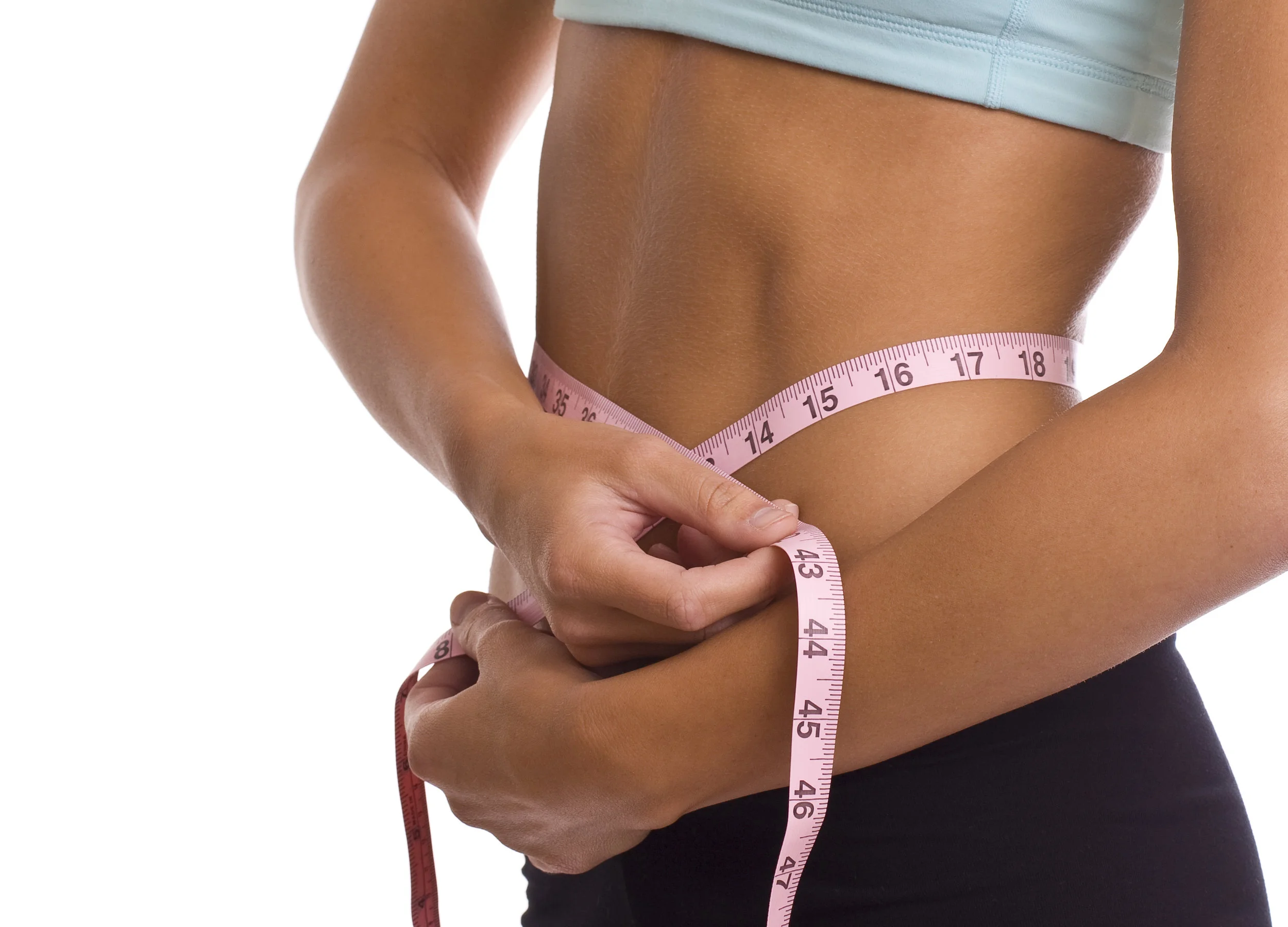
The overconsumption of calories is one of the main reasons for the obesity epidemic. Granted, a lack of sleep, community, and exercise have played their part. But for the sake of the article, we will focus on solving the issue of overeating. When you have a poor understanding of the calories in a meal, you tend to overeat without even realizing it. But it isn't your fault; no one has ever taught you how to portion your meals or track calories. Schools taught algebra and physics but never taught us how to eat correctly. Today we fix that and teach you how to control your portions through calorie tracking.
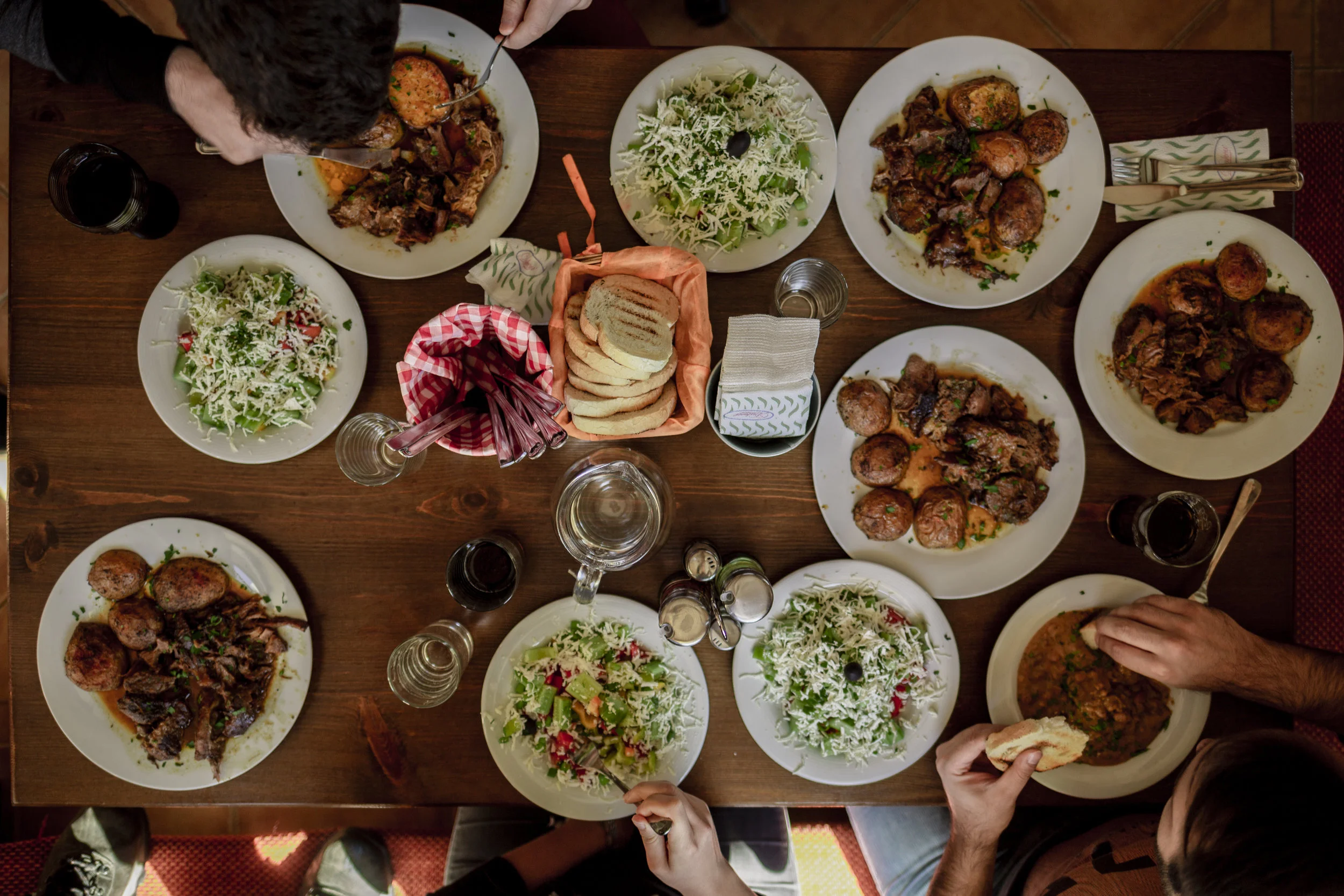
The overconsumption of calories is one of the main reasons for the obesity epidemic. Granted, a lack of sleep, community, and exercise have played their part. But for the sake of the article, we will focus on solving the issue of overeating. When you have a poor understanding of the calories in a meal, you tend to overeat without even realizing it. But it isn't your fault; no one has ever taught you how to portion your meals or track calories. Schools taught algebra and physics but never taught us how to eat correctly. Today we fix that and teach you how to control your portions through four simple steps.
Step 1: Download MyfitnessPal
To get started, I recommend downloading Myfitnesspal. It is a fantastic app that takes the guesswork out of the equation. After you create a profile, it will give you a calorie intake to follow based on your goals. I recommend buying the premium features so that you can customize your macronutrient levels. For example, if you enjoy carbohydrates, you should follow a higher carb diet instead of a low carb diet. The research is clear; both a high and low carb diet can be useful for weight loss when a calorie deficit is present (1).
A calorie deficit occurs when you consume less energy than your body needs (2). To lose body fat and not muscle mass, you must perform resistance training and consume enough protein (.75 grams per pound (3,4,5). For example, a 200-pound person would optimize muscle mass by consuming 150 grams per day. You will hit this number by setting your protein intake to 20-30% of your calorie total.
Step 2: Select The Number Of Meals
The total amount of calories you consume is responsible for your metabolism, not the number of meals. Therefore, you should select a number of meals that you are comfortable eating. I recommend starting at four meals per day (yes, snacks count), then adjust from there. If you feel bloated or overly stuffed after each meal, then decrease your meal size and add in smaller meals like a piece of fruit or protein bar.
I have found fruits and vegetables to be highly effective at reducing hunger. Boy, do I love me some apples and carrots.
Ideally, each meal should consist of lean proteins, fruits or vegetables, and starchy vegetables or whole grains. But don’t worry if life gets in the way, and your meal doesn’t look like the one mentioned above. Those are guidelines to help you stay on track. Also, I want you to remember that no food is evil or unhealthy, even if it isn’t considered “healthy” by an Instagram Influencer. That’s the beauty of calorie counting; it allows you to eat the foods you love and still lose maintain a healthy lifestyle.
Step 3: Buy A Scale And Weigh Your Food
You want to pay very close attention to foods that contain higher amounts of fat, such as nuts, granola, beef, salmon, dairy, and oils. Fat is two times the energy density of carbs and protein (9 cals vs. 4 cals per gram). So underestimating your portions of fattier foods can lead to increased calorie intake and potentially cause weight gain.
To prevent this from happening, weigh each food you consume for 2-4 weeks to get a general idea of its serving sizes, and record it in myfitnesspal. You should be testing your newfound skill throughout this time by estimating each food’s weight before weighing it.
Your hand is a great place to start. For example, you can use the size of your palm to estimate four ounces of protein. You can then take the palm-sized burger or steak and weigh it to see if your hand portion was correct. The infographic below will give you some pointers on how to do this.
The purpose of the test is to give you feedback. If you can consistently estimate each food’s right amount, you have improved and can wean off the food scale. But if you are nowhere close, you need more work and should continue to weigh your food. The whole point of weighing food is to develop the skill of recognizing accurate serving sizes so that you can get rid of the food scale.
*Here is the food scale I use: Click Here
What About Restaurants?
I recommend limiting eating out to three to four meals per week because restaurants will add more fat and sugar to meals to add flavor.
But can you blame them? Sugar and fat together are delicious!
Remember, their job is to make the food taste good, not healthy. Myfitnesspal does have a calorie tracking feature for restaurants, but not everyone restaurant uses it. So on the days you go out to eat, you should consume more protein, fruits, and veggies throughout the day while limiting your fat calories.
Step 4: Be Patient & Strive For Progress
Tracking your calories is a skill, one that takes time and patience. There is no timetable for this process; it could take anywhere from a month to a year. I am no robot; I am a human being just like you, so I know how challenging it can be to track your calories every day. If you mess up and forget, give yourself a break and focus on the next day. Set a goal to do it for a month and see what happens. The extra work you put forward will be worth it in the end.
References
Gardner, C. D., Trepanowski, J. F., Del Gobbo, L. C., Hauser, M. E., Rigdon, J., Ioannidis, J., Desai, M., & King, A. C. (2018). Effect of Low-Fat vs Low-Carbohydrate Diet on 12-Month Weight Loss in Overweight Adults and the Association With Genotype Pattern or Insulin Secretion: The DIETFITS Randomized Clinical Trial. JAMA, 319(7), 667–679. https://doi.org/10.1001/jama.2018.0245
Hill, J. O., Wyatt, H. R., & Peters, J. C. (2012). Energy Balance and Obesity. Circulation, 126(1), 126–132. http://doi.org/10.1161/CIRCULATIONAHA.111.087213
Longland, T. M., Oikawa, S. Y., Mitchell, C. J., Devries, M. C., & Phillips, S. M. (2016). Higher compared with lower dietary protein during an energy deficit combined with intense exercise promotes greater lean mass gain and fat mass loss: a randomized trial. The American journal of clinical nutrition, 103(3), 738–746. https://doi.org/10.3945/ajcn.115.119339
Morton, R. W., Murphy, K. T., McKellar, S. R., Schoenfeld, B. J., Henselmans, M., Helms, E., Aragon, A. A., Devries, M. C., Banfield, L., Krieger, J. W., & Phillips, S. M. (2018). A systematic review, meta-analysis and meta-regression of the effect of protein supplementation on resistance training-induced gains in muscle mass and strength in healthy adults. British journal of sports medicine, 52(6), 376–384. https://doi.org/10.1136/bjsports-2017-097608
Leidy, H. J., Clifton, P. M., Astrup, A., Wycherley, T. P., Westerterp-Plantenga, M. S., Luscombe-Marsh, N. D., Woods, S. C., & Mattes, R. D. (2015). The role of protein in weight loss and maintenance. The American journal of clinical nutrition, 101(6), 1320S–1329S. https://doi.org/10.3945/ajcn.114.084038
Should You Eat Before Bed?
In my eight-year experience as a personal trainer, the question, "Should I eat before bed?" is asked most frequently. People have the belief that eating past a certain time will pack on the freshman-15 all over again. The idea is that since you are inactive while sleeping most of those calories would be converted to fat and therefore cause weight gain. While there are some downsides to late-night food consumption, nothing, as it relates to health and nutrition, is that cut and dry.

As a personal trainer, the question, "Should I eat before bed?" is asked most frequently in my eight-year experience. People have the belief that eating past a particular time will pack on the freshman-15 all over again. The idea is that since you are inactive while sleeping, most of those calories would be converted to fat and therefore cause weight gain. While there are some downsides to late-night food consumption, nothing, as it relates to health and nutrition, is cut and dry.
Sometimes a late-night meal can be a great bonding experience with friends and provide some valuable social interaction. But then again, one of the most notable downsides of eating before bed is sleep disruption. And research shows poor sleep (read more) to correlate with increased snacking and calorie intake.
So we can't just look at calories in versus calories out when we are focused on overall health. Instead, we should include all of the pillars of health and see how they affect one another.
Nutrition
Sleep
Community
Fitness
In this post, we'll try to balance out the good and the bad and give some additional insight into the myths and truths around late-night food consumption.
Night Sweats
For me, eating late at night causes significant sleep disruption, especially if I load up on the carbs. My body will generally run hotter and cause me to wake in the middle of the night extremely sweaty. Not cute, I know. Despite the reaction I have, this is not the case for everyone. I even have a few clients that claim to sleep like a baby shortly after eating.
So what gives?
Why can some people eat before bed and sleep well, while others can't?
Blame Your Parents
The truth is, the answer may be found in our genetics. In a recent episode of the Foundmyfitness podcast, Dr. Rhonda Patrick explained the effects that the sleep hormone melatonin could inhibit the blood sugar-lowering hormone insulin.
When calories are consumed, the body needs to secrete insulin to keep blood glucose levels in check. Carbohydrates followed by proteins will solicit the most significant spike in insulin, while fats will have a much lower effect. Since melatonin inhibits insulin, a high caloric meal before bed may cause sleep disruption due to those higher glucose levels in the blood.
According to a study published in Cell Metabolism, 30% of the total population and 51% of European descent carry the MTNR1B gene (2).
And guess what!
I happen to be one of those people.
Genes Matter
A 2018 study found that overweight women with the gene had impaired glucose tolerance when they consumed their meal an hour before bed versus four hours. But this only occurred in women who expressed the MTNR1B gene, which means melatonin plays an essential role in blood sugar levels. Based on their findings, the authors recommended consuming dinner no later than 2-4 hours before your usual bedtime in overweight individuals with the gene (3).
Interested In Knowing Your DNA?
Purchase a DNA kit at 23andme
Upload your raw data to Foundmyfitness
Don't Eat Before Bed? It Depends
For most people, eating before bed won't make you gain weight if you take in less energy than you need (1). But for others, eating a surplus of calories before bed isn't the best idea (4). It can impact your sleep and increase calorie consumption, especially the next day. But that doesn't mean you can't have a snack before bed. Recent research has shown a small, protein-dense beverage or food (<200 cals) to be beneficial when paired with an exercise regimen (4,5).
Need help on deciding what to eat? Click the button below for a FREE food shopping list.
References
Kinsey, Amber W, and Michael J Ormsbee. “The health impact of nighttime eating: old and new perspectives.” Nutrients vol. 7,4 2648-62. 9 Apr. 2015, doi:10.3390/nu7042648
Tuomi, Tiinamaija et al. “Increased Melatonin Signaling Is a Risk Factor for Type 2 Diabetes.” Cell metabolism vol. 23,6 (2016): 1067-1077. doi:10.1016/j.cmet.2016.04.009
Lopez-Minguez, Jesus et al. “Late dinner impairs glucose tolerance in MTNR1B risk allele carriers: A randomized, cross-over study.” Clinical nutrition (Edinburgh, Scotland) vol. 37,4 (2018): 1133-1140. doi:10.1016/j.clnu.2017.04.003
Ormsbee, Michael J et al. “The influence of nighttime feeding of carbohydrate or protein combined with exercise training on appetite and cardiometabolic risk in young obese women.” Applied physiology, nutrition, and metabolism = Physiologie appliquee, nutrition et metabolisme vol. 40,1 (2015): 37-45.
Trommelen, Jorn, and Luc J C van Loon. “Pre-Sleep Protein Ingestion to Improve the Skeletal Muscle Adaptive Response to Exercise Training.” Nutrients vol. 8,12 763. 28 Nov. 2016, doi:10.3390/nu8120763
Do You Have A Vitamin D Deficiency?
A strong immune system is essential during a pandemic. It is your body’s natural defense against viruses and diseases. An easy way to strengthen the immune system is through adequate Vitamin D levels. Unfortunately, 1 out of 3 people in the United States are Vitamin D deficient. Among the elderly, this number increases to 6 out of 10 people (1).
Vitamin D controls the expression of over 1000 genes equaling 1/24 of the entire genome (see infographic below). No wonder Vitamin D deficiency is linked to various cancers, cardiovascular, autoimmune, and infectious diseases. Most people are asymptomatic, but general weakness, fatigue, and depression can be signs of a deficiency (1). Sunlight, supplementation, and certain foods can increase vitamin D levels, but some people need more than others.
Vitamin D Absorption
Age, weight, and skin color are a couple of factors that influence vitamin D absorption. Since the vitamin is fat-soluble, people with higher levels of body fat will need more to raise their levels. The same rule applies to darker skins and older individuals.
The majority of foods don’t contain enough vitamin D and most sunscreens block absorption from the sun. Therefore, a supplement is the best choice for the majority of people. However, it only solves one of the issues.
Sunlight + Supplementation
Let’s face it, we have become overweight cave dwellers. The sedentary lifestyle has led to staggering obesity statistics, where 4 out of 10 people in America are obese. You can blame it on eating too much, but you also have to look at how much we move. On average, Americans take about 4,800 steps a day. That number is even lower for sedentary individuals at 1,000 to 3,000 a day. Research shows 7,500 steps to be the sweet spot for longevity and health (3). So the majority of Americans aren’t even coming close to hitting their step count.
Taking a supplement may fix your vitamin D issues, but it won’t solve the sedentary lifestyle. So why not combine the two together? Sunlight and supplementation is a foolproof strategy to improve one’s health. Research shows that a minimum of 20 minutes of sunlight daily is required to prevent vitamin D deficiency (1). In those 20 minutes, you could walk a mile and achieve over 25% of your daily step goal.
“But Erik, I don’t have twenty minutes in the day.”
I understand that work and family can take over one’s day. If that is the case then break up the twenty minutes into two, ten minute walks; one in the morning and one after dinner. A daily practice of vitamin D supplementation and walking outdoors in the sun can have profound effects on one’s health.
References
Sizar O, Khare S, Goyal A, et al. Vitamin D Deficiency. [Updated 2020 Feb 26]. In: StatPearls [Internet]. Treasure Island (FL): StatPearls Publishing; 2020 Jan-. Available from: https://www.ncbi.nlm.nih.gov/books/NBK532266/
Holick MF1, Chen TC. Vitamin D deficiency: a worldwide problem with health consequences. Am J Clin Nutr. 2008 Apr;87(4):1080S-6S.
Lee IM, Shiroma EJ, Kamada M, Bassett DR, Matthews CE, Buring JE. Association of Step Volume and Intensity With All-Cause Mortality in Older Women [published online ahead of print, 2019 May 29]. JAMA Intern Med. 2019;179(8):1105‐1112. doi:10.1001/jamainternmed.2019.0899
