Articles On Lifestyle & Nutrition
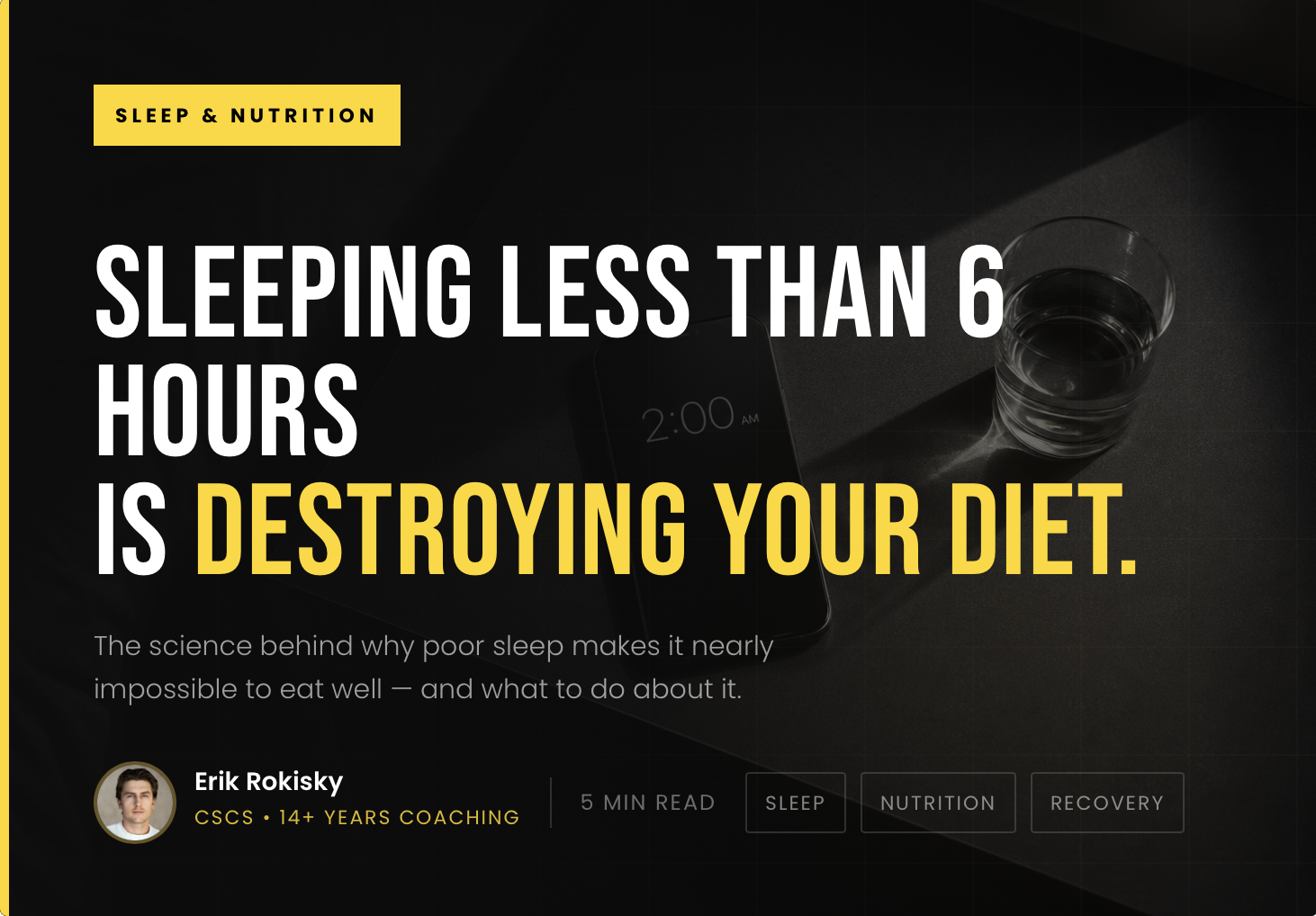
It was a Tuesday morning. I had gotten maybe five hours of sleep, and by 10am I had already raided the kitchen twice. Granola bar. Handful of chips. I wasn't even hungry. Something just kept pulling me back to the cabinet.
Sound familiar?

You don’t have to hit the gym seven days a week to improve your health. In fact, you can make substantial improvements in your health with minimal effort.
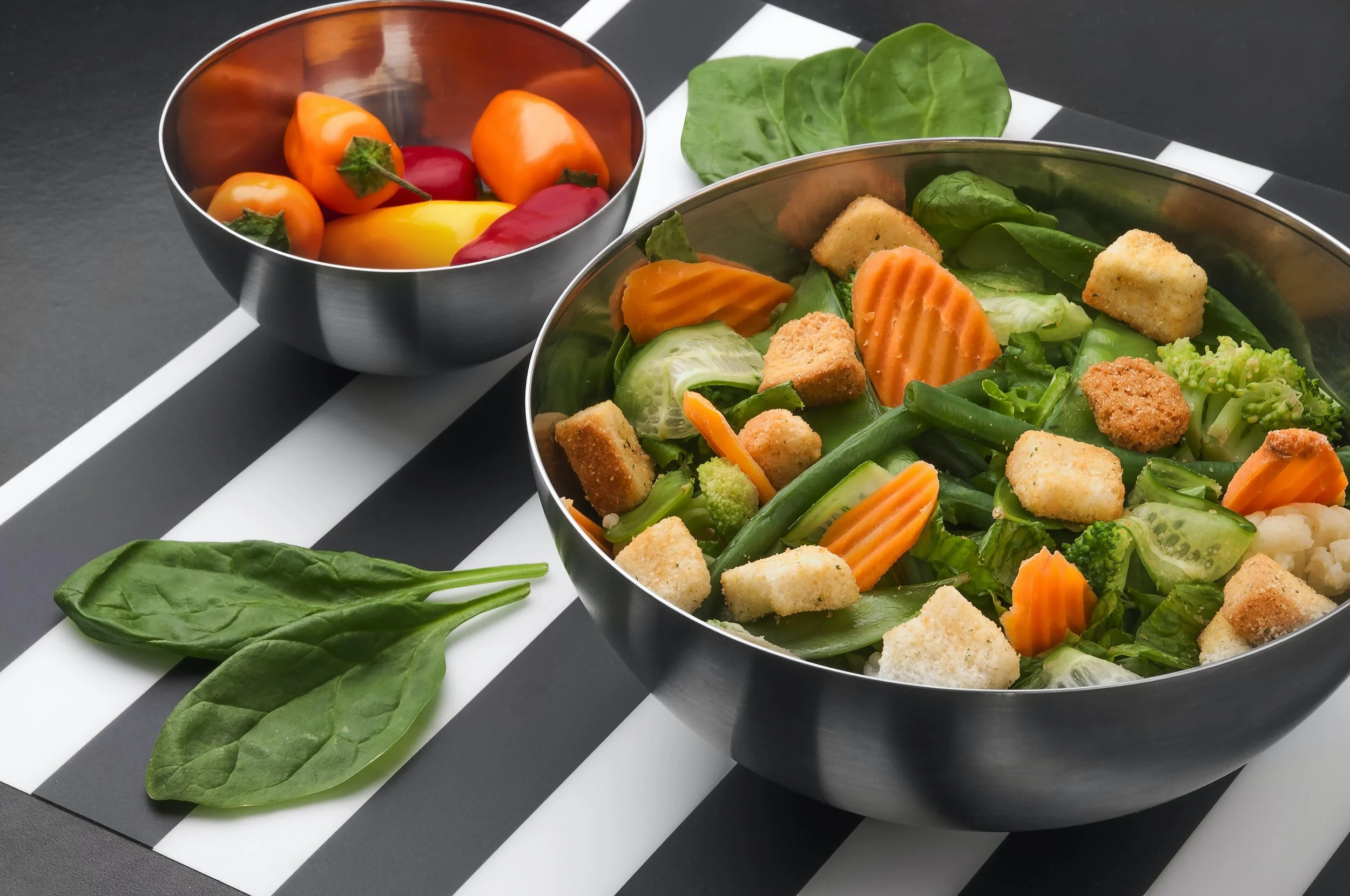
I have broccoli in the freezer and fresh broccoli in my refrigerator as I am writing this. Unfortunately, the broccoli in the fridge has been sitting there for two days already. I am notorious for leaving veggies in my fridge. So I wanted to figure out if there was any nutritional advantage to fresh versus frozen. After all, frozen is cheaper and doesn't go bad.
It sounds like a win-win to me, but is frozen as healthy as fresh?
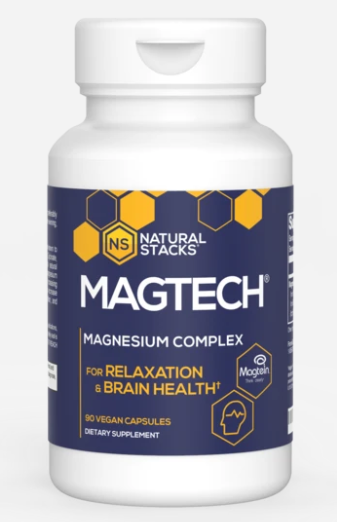
Although diet and nutrition are a very popular topic of discussion, one often overlooked aspect of the conversation is micronutrient deficiency. Micronutrients are vitamins and minerals that can only be obtained through food or supplements. They are essential for the normal growth and development of living organisms. A deficiency in these nutrients can have profound detrimental effects, including fatigue, anxiety, and poor sleep. Sadly, these deficiencies are relatively common, especially as it pertains to magnesium.

Over the last decade, studies have shown protein to be the superior macronutrient regarding weight and fat loss. Most likely, protein aids weight loss by decreasing hunger (1,2). Weight loss occurs when you consume fewer calories than your body needs, regardless if it is a low or high carb diet (3). So eating food that reduces hunger is essential. But if you want to lose mostly body fat and maintain muscle mass mass, then you must consume enough protein (2).

“We found that melatonin usage was associated with a 28% reduced likelihood of a positive laboratory test result for SARS-CoV-2 after adjusting for age, sex, race, smoking history, and various disease comorbidities.” -Zhou et al., 2020
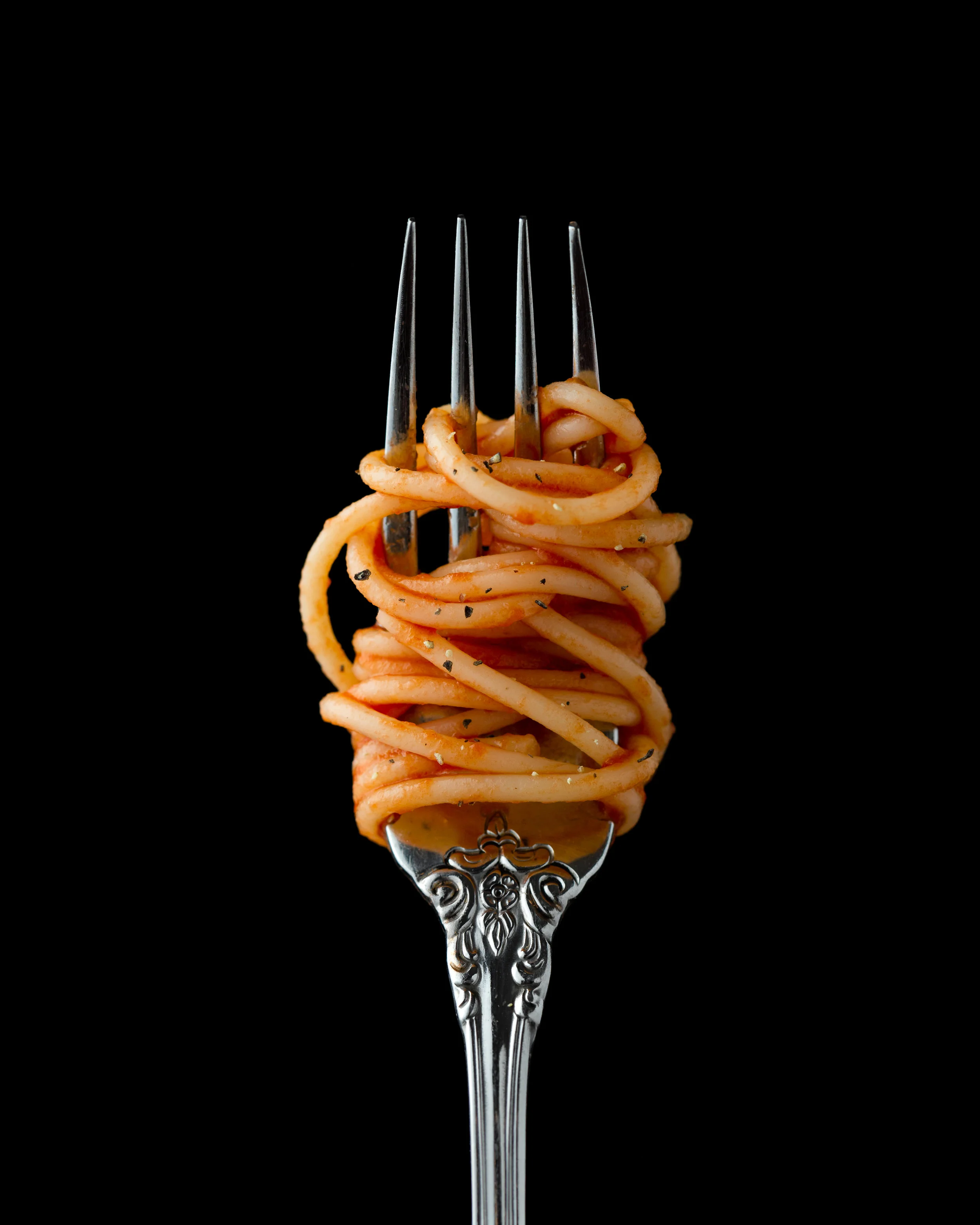
Growing up, I was fortunate to have a full plate of food at every meal. Feeding three growing boys added up, so my parents were adamant that we didn’t waste food. If we even thought about not finishing our meal, we were quickly reminded that there were people less fortunate than ourselves.
As a means to do what I was told, despite how full I was, I would scarf down everything on my plate as quickly as I could. After all, I was the youngest AND smallest of three brothers.
My mom would often joke, “You guys eat so fast, can you even taste it on its way down?”

A comprehensive survey done across the United States found that 60% of the 60,000 adults reported having a stuffed-up nose either every day or most days of the week (1). When the nose is congested, you are forced to breathe through the mouth. Chronic mouth breathing causes your face to narrow and elongate, receding the chin and pushing the head forward (2). These facial abnormalities are not without issues. Mouth breathers are more likely than nose breathers to suffer from ADHD related symptoms and sleep disorders (3). It has also been associated with cardiovascular disease, inflammation, snoring, stress, and tooth decay (3).
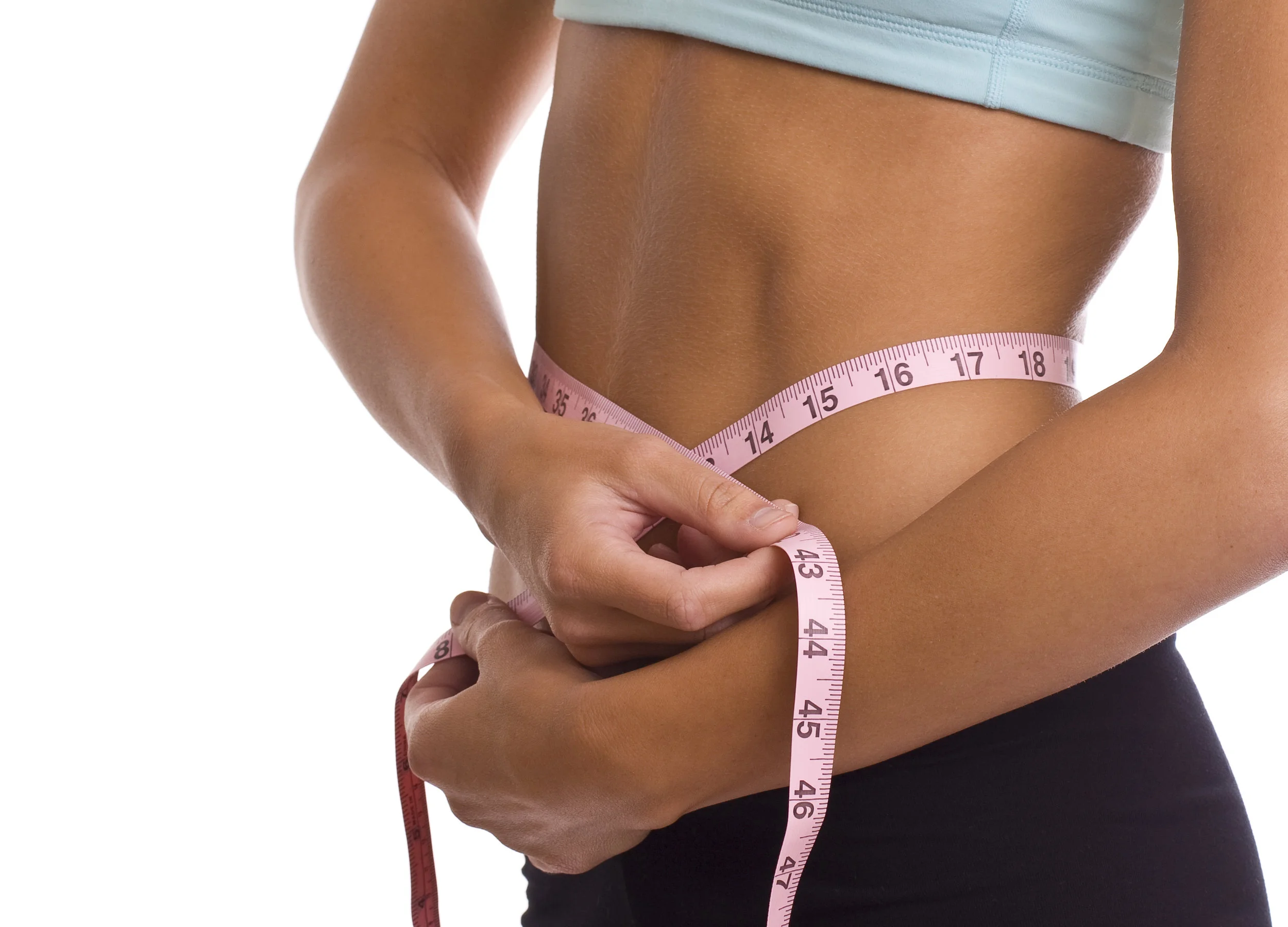
The overconsumption of calories is one of the main reasons for the obesity epidemic. Granted, a lack of sleep, community, and exercise have played their part. But for the sake of the article, we will focus on solving the issue of overeating. When you have a poor understanding of the calories in a meal, you tend to overeat without even realizing it. But it isn't your fault; no one has ever taught you how to portion your meals or track calories. Schools taught algebra and physics but never taught us how to eat correctly. Today we fix that and teach you how to control your portions through calorie tracking.

In my eight-year experience as a personal trainer, the question, "Should I eat before bed?" is asked most frequently. People have the belief that eating past a certain time will pack on the freshman-15 all over again. The idea is that since you are inactive while sleeping most of those calories would be converted to fat and therefore cause weight gain. While there are some downsides to late-night food consumption, nothing, as it relates to health and nutrition, is that cut and dry.

A strong immune system is essential during a pandemic. It is your body’s natural defense against viruses and diseases. An easy way to strengthen the immune system is through adequate Vitamin D levels. Unfortunately, 1 out of 3 people in the United States are Vitamin D deficient. Among the elderly, this number increases to 6 out of 10 people (1).

“Humans have spent over 99.99% of their time living in the natural environment. The gap between the natural setting, for which our physiological functions are adapted, and the highly urbanized and artificial setting that we inhabit is a contributing cause of the “stress state” in modern people.” -Song et al 2016

According to the National Institute of Neurological Disorders and Stroke, up to 80% of the population will experience back pain at some point in their life. And half of office workers experience back pain annually (1). Back pain is debilitating. You can't sit, stand or sleep without being in pain. The injury starts to take over your life. At times, the discomfort can be unbearable. But you don’t have to suffer your whole life, you can reduce pain without surgery.
How do I know?
I used to have crippling back pain. I couldn’t sleep or sit through a whole lecture. I have dealt with lower back pain for the last 8 years. But now, it is a thing of the past.
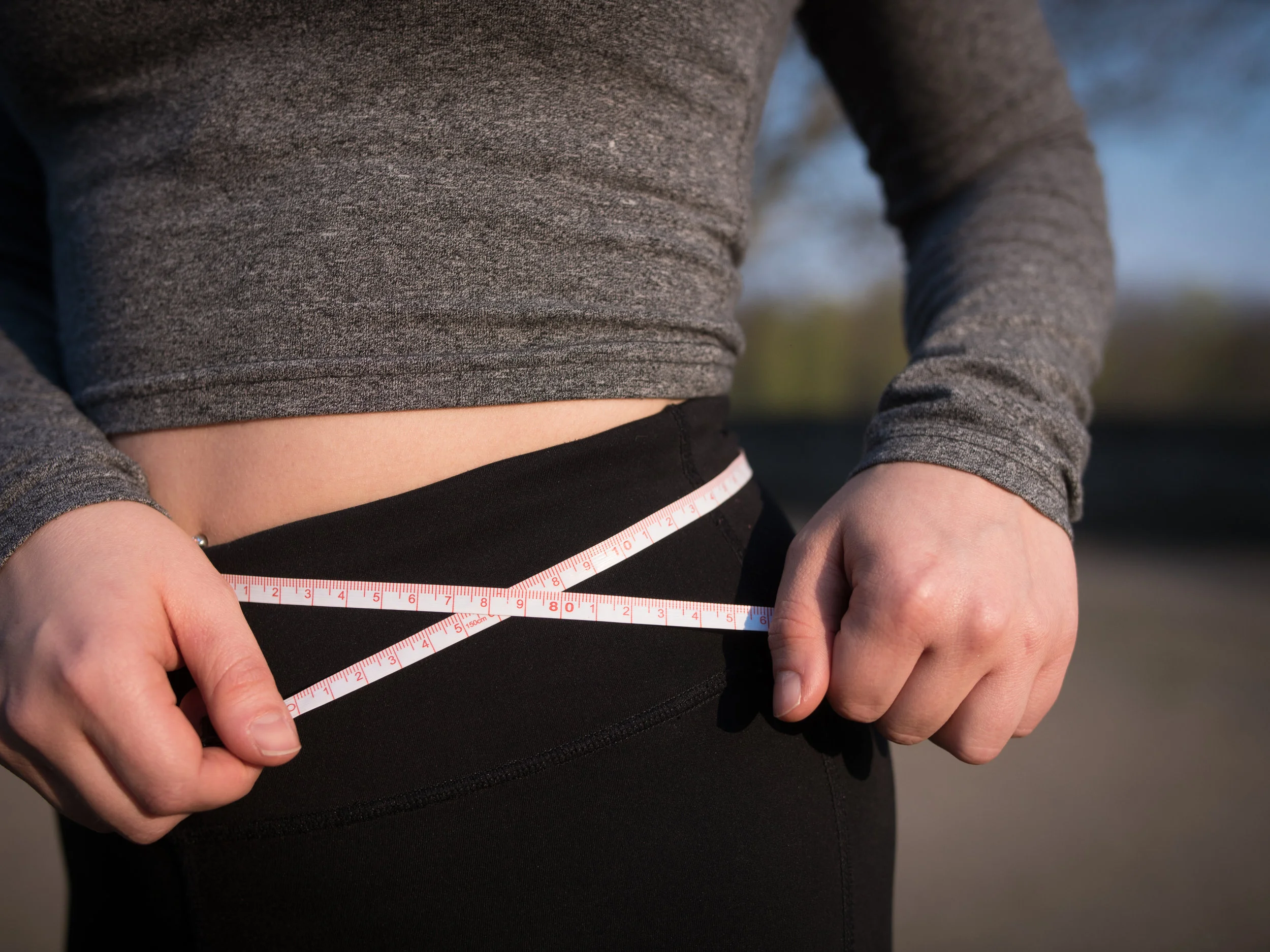
We all have a skinny friend who eats enough for two people, but never gains a pound. Let's call him Scott. And then there is another friend who gains weight at the sight of food. We will call him Dan. So what gives? How can Scott crush cheeseburgers and not gaining a pound?
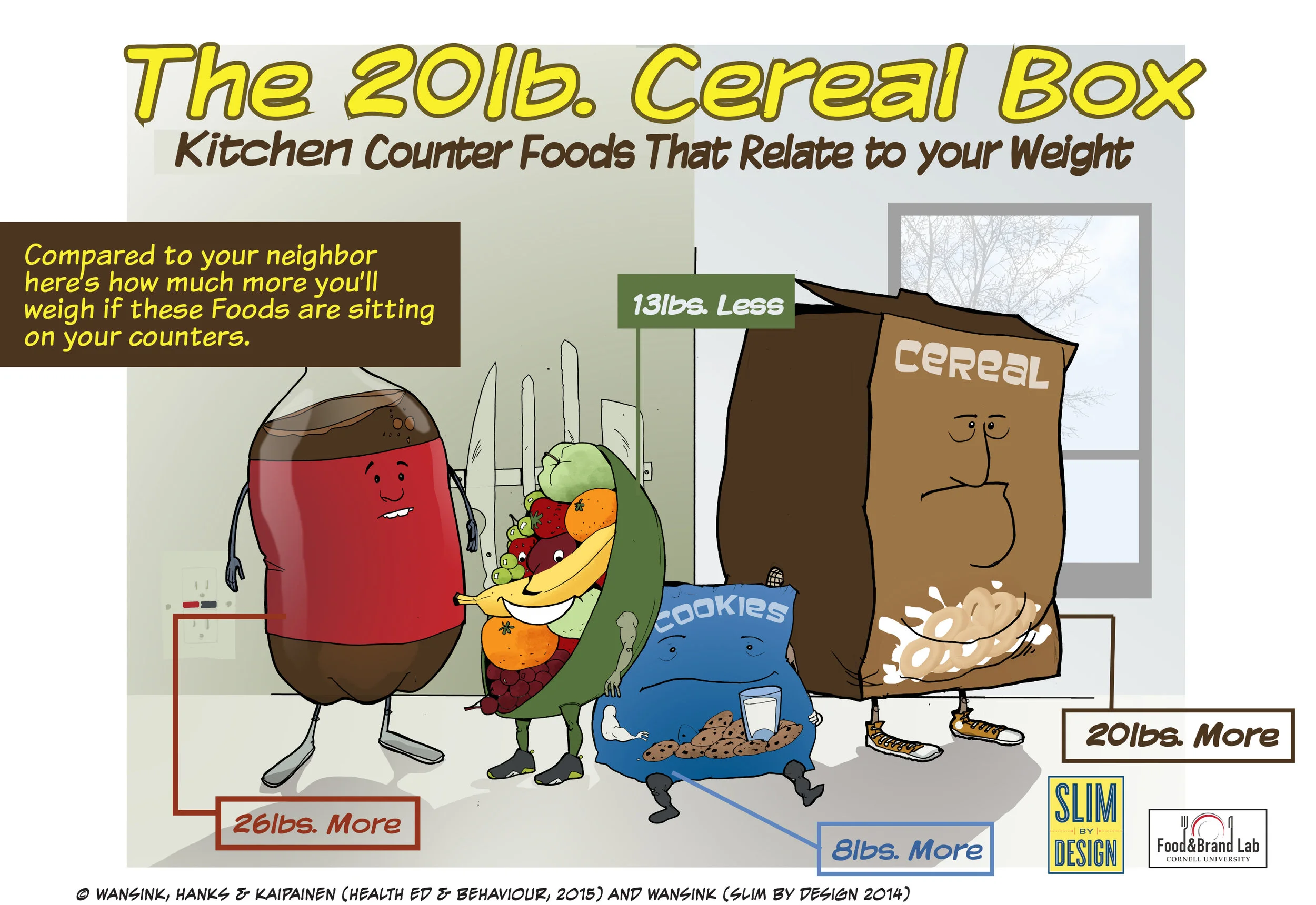
In the last 100 years, we have experienced a massive increase in the availability of processed foods. There are more fast food restaurants and food delivery services than ever before. The ease of access to calorie-dense delicious food has made it quite challenging to sustain a healthy lifestyle. Our bodies are wired to crave sweet, salty and fatty food due to the scarcity of food that occurred for thousands of years.

By: Alison, a recipe writer at Luvrecipes.com
Edited: Erik Rokisky
Congratulations on taking control of your health by caring for your body and feeding it what it needs to be slim, healthy, and vibrant! If you’re like me, you really want to look and feel great! Battling excess weight can be one of the most frustrating, challenging, and emotionally draining experiences on earth. Many people struggle with a never-ending battle to lose weight and get healthy. Despite the numerous fad diets, exercise regimens, and magic pills for weight loss, Americans continue to grow larger and larger year after year.
Articles On Exercise Tips

Whenever someone wants to lose weight, they instantly increase their cardio output and reduce their weight lifting. But what if I told you that resistance training was the secret to fat loss.
Would you believe me?

Foam rolling is a form of self-massage where the individual uses their body weight to compress a targeted muscle with the goal of improving the surrounding connective tissue. For example, to roll out the quadriceps, you would lay on top of the foam roller in a plank position

Over the last ten years as a trainer, I have done over 10,000 assessments with gym members. During that time, I have come to learn that most people want either nicer arms or abs. So I decided to throw together a circuit you can use to achieve that goal. I recommend using it at the end of your next upper body or cardio day.
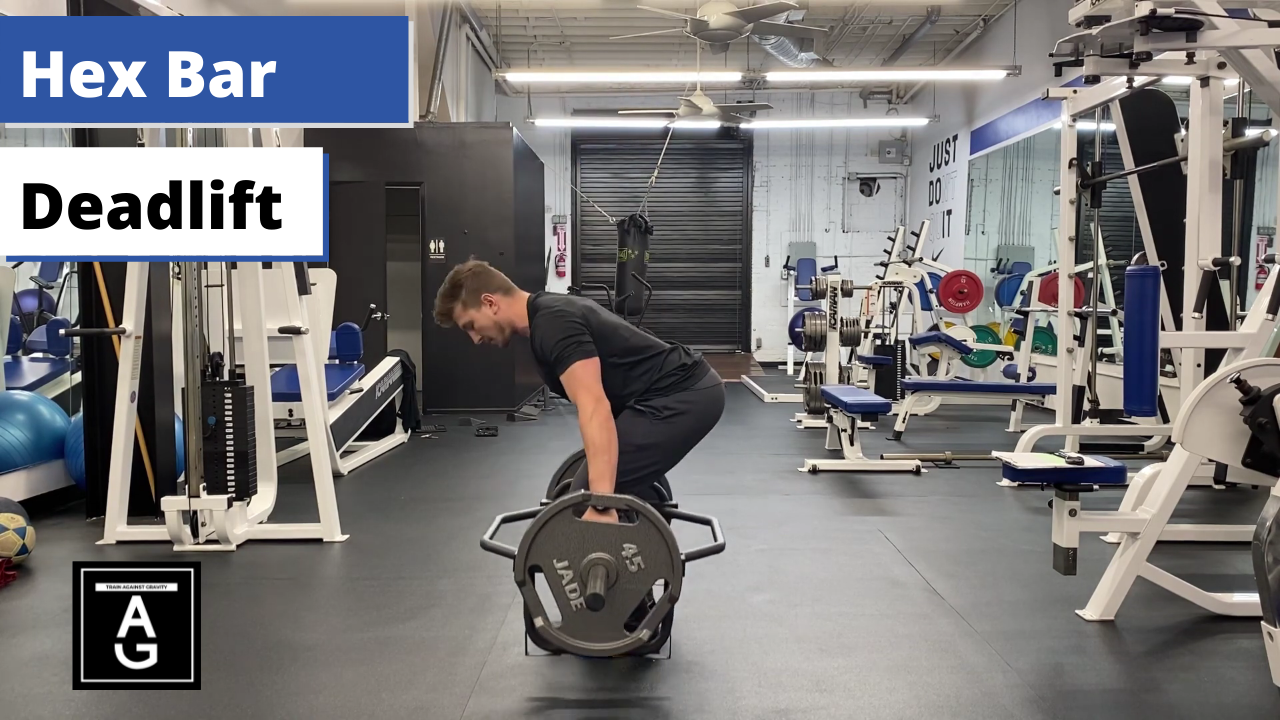
When I was in New Jersey last week working out in LA Fitness, I came across a boyfriend trying to teach his girlfriend the deadlift.
It made me cringe.
Her back looked like a turtle shell. I wanted to interject and correct her technique, but I knew that wouldn’t end well with the boyfriend there. So I kept to myself and finished my workout. But now, I feel obligated to write this post on proper deadlifting techniques.

In the 6th century, there was a famous Croton wrestler known for his strength and size. As the story goes, Milo lifted a calf onto his shoulders every day. As the calf grew, so did Milo’s strength and size. The once small calf was now a full-grown bull, and the skinny boy was now a jacked dude carrying around this massive beast. Believe it or not, there is a technical term for this type of training; it’s called “Progressive Overload.”

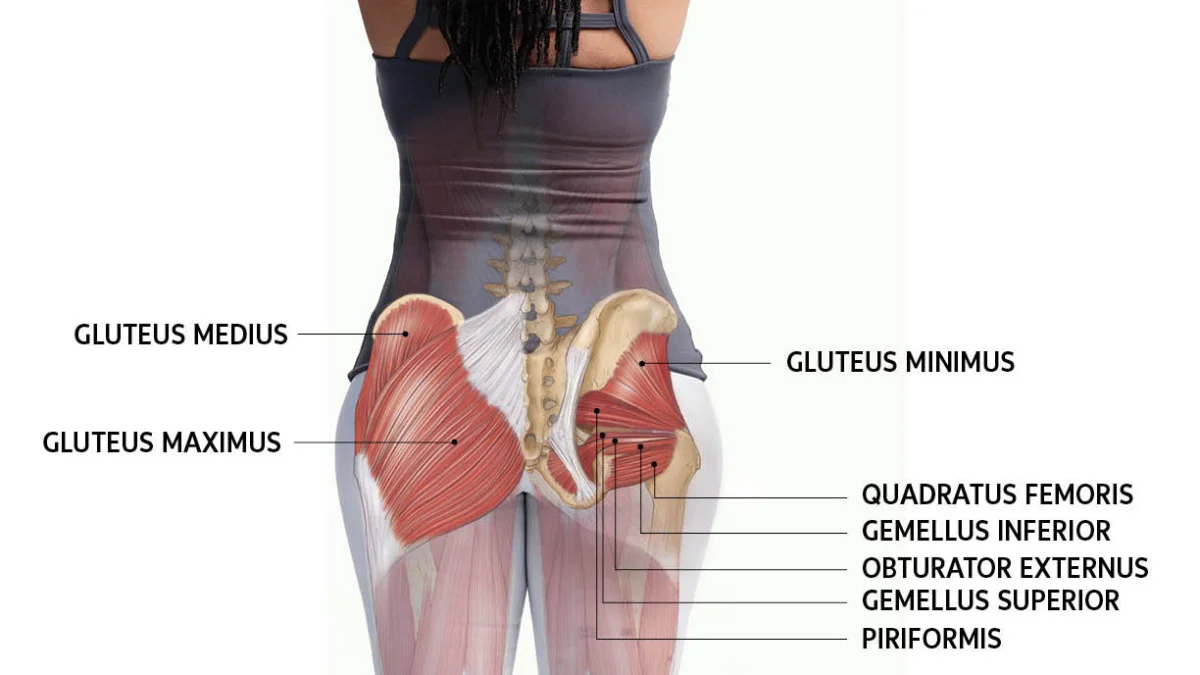
The pandemic has caused gyms to shut down again, but that doesn’t mean you have to stop training or going after your booty goals. To grow a butt effectively, you need to perform four movements 2-3 times per week.
Hip thrust
Hip hinge
Squat, lunge or step up
Hip abduction
For each exercise, you should do two to four sets by 8 to 20 reps. To perform these movements at home, I recommend using the five products below.
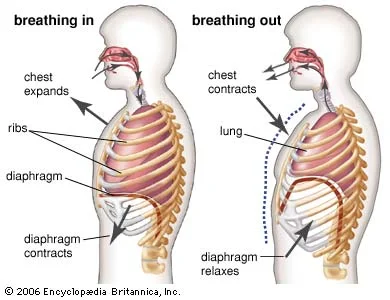
I am sure at one time or another, someone has told you to breathe deeply into your belly. Maybe it was a yoga instructor, trainer, therapist or Instagram Influencer. "Inhale deeply into the belly and exhale slowly. Ahhhh. Doesn’t that feel good?" I used to give everyone the same script. But guess what, we are teaching it wrong. And this should cause some level of concern, not a mid-life crisis, but enough to keep you reading.
Why Is Deep Breathing Important?
On average, we breathe 20,000 times per day. Dysfunctional breathing patterns influence poor posture, anxiety, and movement. Whereas, proper breathing mechanics help restore it. The core muscles play a significant role in breathing. They are responsible for exhalation.

America is an injured nation. The total costs of low-back pain in the United States exceed $100 billion per year (1). I have seen this firsthand as a trainer. The majority of my clients have experienced back pain or currently have back pain. Back pain can be broken down into two categories: extension intolerant or flexion intolerant.
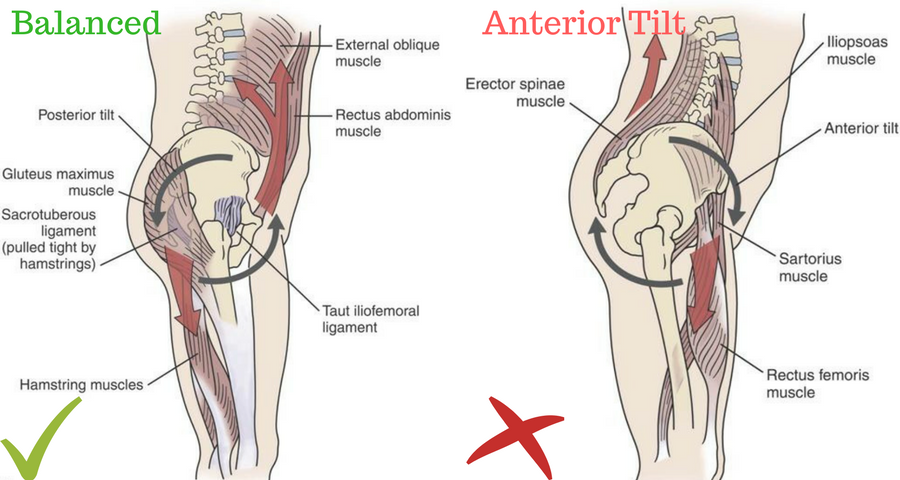
Over the last seven years, I have completed close to 10,000 hours of training. I have come to realize that the majority of people are out of alignment and lack the ability to maintain good posture.
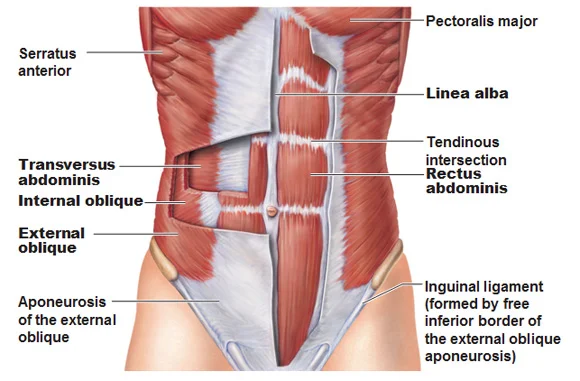
The exercise ball, also known as the Swiss Ball, was developed in 1963 by Aquilino Cosani, an Italian plastics manufacturer. According to Wikipedia, the term "Swiss Ball" was used when American physical therapists began to use those techniques in North America after witnessing their benefits in Switzerland. And According to Dwight Schrute,
"This ab workout is specifically designed to strengthen your core. It has numerous health benefits, strengthens your back, better performance in sports, more enjoyable sex."
I agree with Dwight and the physical therapists. But is there any research to back these claims?

What if I told you you could get the benefits of a 50 minute cardio workout in just ten minutes, would you believe me?
It almost sounds too good to be true. Ten minutes of cardio versus fifty minutes of cardio, the longer duration has to have more benefits, right?
Key Points
A glute activation warm-up may increase glute efficacy and improve hip mobility
The benefits of a glute activation warm-up may be short lived and not carry over to the next workout
Experienced lifters don’t need to perform glute activation in a warm-up, unless you enjoy it
Glute Activation Research
In a previous blog post, I wrote how beginners need to learn how to activate their glutes to their full potential (read here). However, once the skill is learned, should glute activation still be recommended? And if it is, is it worth the time? A study by Parr and others sought out to find the answer. Rugby players performed an explosive weightlifting exercise (high hang pull) at 80 percent of their one rep max after a dynamic or glute activation focused warm-up. Electromyography (EMG) was used during the exercise to see which protocol was more effective ( see jacked dude below) (1) .
Key Points
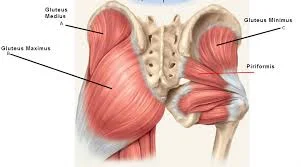
The gluteus maximus is the largest muscle in the body
Glute activation is a learned skill, one that improves with practice
Beginners should use a glute activation protocol in the warm-up for at least two to four weeks
Gluteal Amnesia
The term "gluteal amnesia" has been floating around the interwebs lately. In short, it refers to the inability to use or feel your glutes during a movement. Fortunately for us, gluteal amnesia doesn't exist. If it did, you wouldn't be able to walk or stand upright. However, you might not be using your glutes to their full potential due to other muscles doing the work for you (i.e., hip flexors, lower back, quadriceps). If you suffer from constant back pain or can't get the glutes sore after a workout, then your glutes might not be firing on all cylinders. Moreover, this should cause some concern, not the end of the world concern, but enough to motivate you to make a change. Lucky for you, glute activation is an easy skill to learn, and yes, it is a skill.

I am not sure if I was born with two curves in my spine. But I do remember going to the chiropractor in my teens and being diagnosed with scoliosis. Today, I joke with my clients about my crooked spine and how it robbed me of my height. I am not the smallest guy, but my 5’7 stature does have it’s setbacks, especially when I am on a date and the girl has heels on. Ugh. Scoliosis!
And it doesn’t end there. I have lived with back pain for the last eight years. From sciatic pain shooting down my leg at 19 years old to crippling muscles spasms in my back seven years later. Honestly, I don’t think the curves in my spine are to blame for my back pain. Rather, my poor posture and lack of core stability is the real culprit.
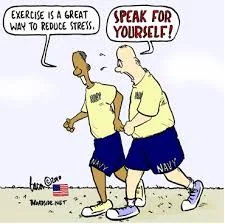
“Lack of activity destroys the good condition of every human being while movement and methodical physical exercise saves and preserves it”-Plato
Below you will find the core conditioning program I use with my clients. The purpose of the program is to strengthen the abdominals, obliques, glutes, and hips. To do the program correctly you must perform all six exercises in sequential order with minimal rest between sets. For example, you would perform one set of each exercise. After you complete the six exercises, you will take minimal rest and repeat the circuit.
Articles On Mindset

Journaling has become an integral part of my daily routine. Before I began this practice, I found it difficult to prioritize my needs for the day. My emotions would often dictate my actions and I would feel as if I were being pulled in multiple directions. I was quick to give in to cravings and equally quick to allow excuses to get in the way of my productivity.
Sound familiar?

Over the years, I have come to realize the importance of principles. As humans, we struggle to do the right thing when the wrong choice is the easier thing to do. We have all been in situations where we know what to do, but we do a more satisfying thing. You aren't weak-minded; you are just human.
The key to overcoming this human fallacy is to have external rules or principles to hold you accountable. When I was 24 years old, I wrote down ten lessons that I learned over my lifetime. I repeated the process last year while traveling to Nice from Paris. It was a five-hour train ride, and I needed something to do to pass the time. The rolling green hills provided the perfect scenery to reflect on life. By the end of the trip, I had updated my ten life lessons.
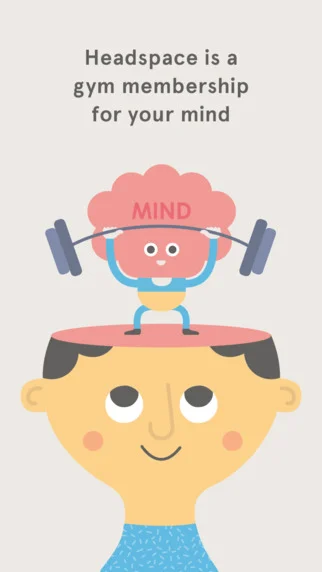
Meditation dates back to the first century and has been practiced for thousands and thousands of years. It has been shown to improve stress, anxiety, depression, and quality of life (1). A common misconception about meditation is the absence of thoughts. The goal is not to stop thinking; if you did, you would be dead.
The purpose of meditation is to strengthen the ability to focus on one thing and not let thoughts intervene. Our thoughts are not facts; they are just ideas that pop into the mind. They may persuade us to do certain things, but they don't control us. To become aware of this process, you must train the mind to become less reactive. One of the best ways to do this is by sitting and paying attention to the breath.
“The mindfulness meditation exercises focus on paying attention to bodily sensations, emotions, and thoughts while embracing a non-judgemental, accepting attitude towards whatever arises until it passes away(2).”

My whole life I have struggled to fit in. Insecurities, childhood trauma, and the urge to be someone else plagued me. I would be lying if I said these fears are gone. But I am learning how to overcome them through stoic philosophy and training. And that is why I created Train Against Gravity. The goal is to teach you these principles through movement, meditation, and journaling.

The mind and body are quite similar. When you stop training a muscle it becomes weaker. And since the brain is a muscle, it requires training to keep in shape. Now, I am not just talking about physical exercise, we must include some type of mental exercise too. After all, if you don’t use it, you will lose it.

A couple of weeks ago I watched the documentary, One Nation Under Stress. It was eye-opening. According to the latest research, the stressed state is becoming more common.
“Stress-related psychiatric disorders, including anxiety and depression, are currently the most common mental health disorders in the United States. By 2020, depression will have the second highest lifetime burden of disease, exceeded only by heart disease (1)”
Before I moved to Los Angeles, I was a student at East Carolina University studying to become a health fitness specialist. As you know, you have way more free time during college versus the real world. I took advantage of the free time and dedicated it to my health. I slept 8 hours a night and lived in the gym. I would meditate every morning and exercise two hours a day. On top of the exercise, I would train 5 to 8 clients a day. My mind and body felt great. I was focused on my career and had a purpose. But that all changed after I graduated and moved out to California.
Many people in our culture are chronically overworked, undernourished, tired and suffer from an insufficiency of time to simply be in community, to rest, to be creative. Living with such limitations and pressures should be expected to produce a population that is reactively hedonistic, impulsive, and prone to addiction. Behaviors that are addictive (e.g., drugs, alcohol) anddestructive (e.g., over eating, alcohol, sugar, fat) are simply frustrated and maladaptive coping strategies to combat the stress caused by a damaging, unnatural paradigm from which most people cannot escape.”
- Dr. Alex Vasquez
You eat clean. You skip junk food. You drink your water. And the scale still won't move. Here is the real reason why, and the four steps to finally fix it.