erik rokisky erik rokisky

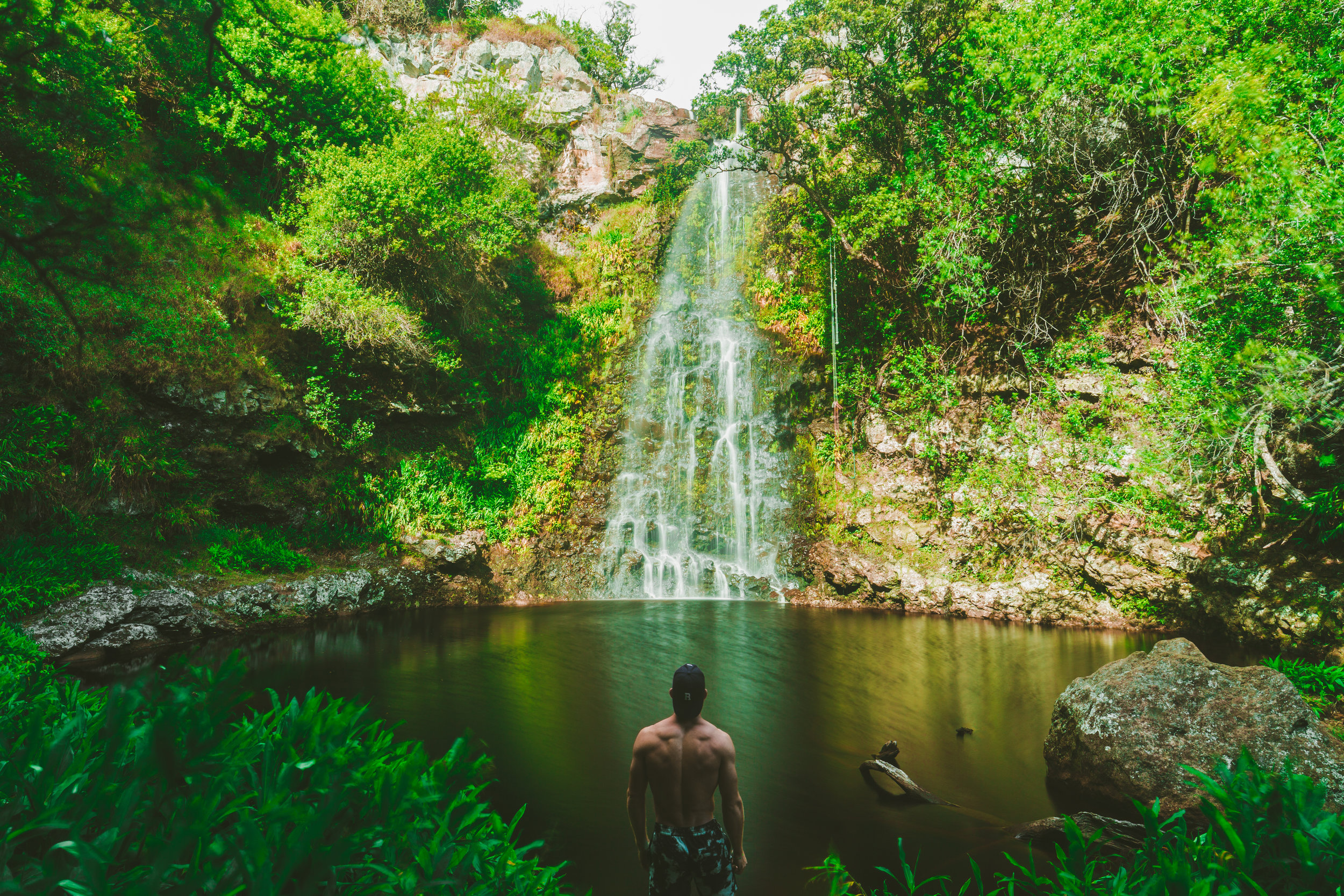
Forest Bathing Benefits

“Humans have spent over 99.99% of their time living in the natural environment. The gap between the natural setting, for which our physiological functions are adapted, and the highly urbanized and artificial setting that we inhabit is a contributing cause of the “stress state” in modern people.” -Song et al 2016

The Coronavirus pandemic has caused the world to come to a halt; increasing anxiety and stress levels with it. I don’t need to be the one to explain to you the detrimental effects of high-stress levels. It’s pretty obvious that we are burnt out as a society. At the beginning of the pandemic, people welcomed the slower lifestyle. The hamster could finally hop the wheel and relax. It felt good to sleep in and pause. Unfortunately, the fast-paced, busy lifestyle will return. And we will have to hop on the wheel again. So it is essential we find a way to cope with the chaos that is life. For me, hiking has been just that.

For the last month, I have gone hiking every Sunday. At the end of each trip, my mind and body are relaxed and content. The mindless chatter is quieted. I am at peace with myself and others. For me, hiking is therapy. I know it sounds like pseudoscience, but there’s actually research to back these experiences. I wasn’t always a believer though. I would have called you crazy if you told me walking in the forest can reduce stress and strengthen the immune system. But guess what? It might just do that.

“Humans have spent over 99.99% of their time living in the natural environment. The gap between the natural setting, for which our physiological functions are adapted, and the highly urbanized and artificial setting that we inhabit is a contributing cause of the “stress state” in modern people.” -Song et al 2016

Forest Bathing

When was the last time you went hiking in the woods?

When was the last time you went hiking in the woods?

Forest bathing, also known as Shinrin-yoku, is a common practice in Japan where you take in the forest atmosphere through all of your senses. And no, you aren’t taking a shower in the woods or bathing yourself in some swimming hole. You are just walking through the woods, breathing in fresh, clean air. It is that easy. The simple practice of exposing yourself to nature will induce a state of relaxation, which may help strengthen a weakened immune system. A review of 52 studies found nature therapy to have the following benefits (1):

  • Reduced stress levels

  • Reduced blood pressure

  • Reduced heart rate

  • Improved immune function

Strengthens Immune System

Ditch the $5 immunity shot from Whole Foods and take a walk through the woods instead. Your wallet and body will thank you. Li and colleagues took twelve males with weakened immune systems (35-55 years old) and had them practice two days of forest bathing. To measure the effects on the immune system, natural killer (NK) cell activity levels were taken each morning. On day one, they walked for two hours in the afternoon covering 1.5 miles. For day two, they repeated the protocol in the morning and afternoon totaling 3 miles for the day. Both days showed an increase in NK levels, but the second day had the highest increase (2). And yes, the benefits have been shown to be experienced by females too (3).

“Natural killer (NK) cells are part of the innate immune defense against infection and cancer, and are especially useful in combating certain viral pathogens (4).” - Jordan S. Orange MD, PhD

Was it walking or the forest?

When I first came across the study, I questioned the validity. After all, a daily walk can improve one’s health. To phase out the effects of walking, Li and colleagues performed the same protocols in a city and forest. At the end of the study, the immune system increased significantly in the forest group, whereas the urban walkers didn’t experience any increases. And guess what! The immune-boosting benefits lasted a whole month(5). Excuse my excitement, but I think that is really cool.

What magic lies in the forest?

When you go hiking in the forest you are exposing yourself to these magical fairies called, phytoncides. As you walk through the woods they bless your skin with a force field, capable of deflecting any virus or germ.

Just kidding.

But wouldn’t that be cool if it was true?

In reality, phytoncides are organic antimicrobial compounds found in plants and trees. They produce these substances to protect themselves from harmful life forms, like insects.

There are very low levels of phytoncides in urban areas compared to natural environments. Many of the benefits to forest bathing may be due to the high levels of these compounds (3,4,5). To test the theory, scientists had twelve people (37-60 years old) stay in a hotel room for three nights. The researchers vaporized essential oils in the rooms to mimic the phytoncide levels from nature. By the end of the study, stress levels reduced and immune function strengthened (6).

Phytoncides, such as alpha-pinene and beta-pinene, were detected in the hotel room air. These findings indicate that phytoncide exposure and decreased stress hormone levels may partially contribute to increased NK activity -Li et al 2009

Once a Month

Based on the studies above, you can obtain the minimum benefits of forest bathing by going for a hike once a month.

Not to shabby, right?

But if you are like me and you want to maximize the benefits, I highly recommend being in nature once a week. If you don’t have any trails nearby, then go for a walk through a park. Do your mind and body a favor, bathe in the forest air.

 References

  1. Song C, Ikei H, Miyazaki Y. Physiological Effects of Nature Therapy: A Review of the Research in Japan. Int J Environ Res Public Health. 2016;13(8):781. Published 2016 Aug 3. doi:10.3390/ijerph13080781

  2. Li Q, Morimoto K, Nakadai A, et al. Forest bathing enhances human natural killer activity and expression of anti-cancer proteins. Int J Immunopathol Pharmacol. 2007;20(2 Suppl 2):3‐8. doi:10.1177/03946320070200S202

  3. Li Q, Morimoto K, Kobayashi M, et al. A forest bathing trip increases human natural killer activity and expression of anti-cancer proteins in female subjects. J Biol Regul Homeost Agents. 2008;22(1):45‐55.

  4. Orange JS. Natural killer cell deficiency. J Allergy Clin Immunol. 2013;132(3):515‐525. doi:10.1016/j.jaci.2013.07.020

  5. Li Q, Morimoto K, Kobayashi M, et al. Visiting a forest, but not a city, increases human natural killer activity and expression of anti-cancer proteins. Int J Immunopathol Pharmacol. 2008;21(1):117‐127. doi:10.1177/039463200802100113

  6. Li Q, Kobayashi M, Wakayama Y, et al. Effect of phytoncide from trees on human natural killer cell function. Int J Immunopathol Pharmacol. 2009;22(4):951‐959. doi:10.1177/039463200902200410

Read More
erik rokisky erik rokisky

Sitting Posture & Back Pain

According to the National Institute of Neurological Disorders and Stroke, up to 80% of the population will experience back pain at some point in their life. And half of office workers experience back pain annually (1). Back pain is debilitating. You can't sit, stand or sleep without being in pain. The injury starts to take over your life. At times, the discomfort can be unbearable. But you don’t have to suffer your whole life, you can reduce pain without surgery.

How do I know?

I used to have crippling back pain. I couldn’t sleep or sit through a whole lecture. I have dealt with lower back pain for the last 8 years. But now, it is a thing of the past.

According to the National Institute of Neurological Disorders and Stroke, up to 80% of the population will experience back pain at some point in their life. And half of office workers experience back pain annually (1). Back pain is debilitating. You can't sit, stand or sleep without being in pain. The injury starts to take over your life. At times, the discomfort can be unbearable. But you don’t have to suffer your whole life, you can reduce pain without surgery.

How do I know?

I used to have crippling back pain. I couldn’t sleep or sit through a whole lecture. I have dealt with lower back pain for the last 8 years. But now, it is a thing of the past.

Freshman Year

The first episode occurred at nineteen years old. I was a freshman at East Carolina University. At the time, I was a strong kid training to walk on to the football team. I could bench 350 pounds and dead-lift 415 pounds for 10 reps. But none of those strengths mattered. The class schedule had me sitting six to eight hours a day. My posture crumbled.

During one of my squat workouts, I hurt my back out. It took me six months to recover from the shooting pains down my leg. But it wasn’t the lifting that caused the pain. It was the sedentary lifestyle; combined with poor posture and a weak core that put me at risk.

Posture Matters

Until a couple of months ago, I never knew how influential sitting posture and breathing are on health. And trust me, they matter way more than you realize.  On average, most adults sit nine hours a day and breathe about 20,000 times a day. Research shows that sitting for more than eight hours a day drastically increases the risk of disease, especially Type II diabetes (2). Prolonged sitting combined with shallow breathing has been shown to cause low back discomfort and core muscle fatigue. Whereas deep breathing increases core stability (1,3). So, it makes you wonder, why hasn’t anyone ever taught us how to sit properly?

What Is Optimal Sitting Posture?

I am a little embarrassed to write these next words, but I never understood why the "sit bones" were called the sit bones. It turns out, those are the bones you are supposed to sit on. The sit bone, also known as the ischial tuberosity, is located at the bottom of the pelvis and serves as an attachment site for the hamstrings.

sit bones blog.jpeg

Generally speaking, there are three common sitting positions we sit in.

  1. Upright Lumbo-pelvic (first photo)

  2. Thoracic Upright

  3. Slump (last photo)

Can you guess which position is the best? How about the worst?

If you guessed number one, then you are correct! When you sit in an upright position with a relaxed upper body (photo below), the body is aligned and the core stabilizers can do their job. Whereas, the other two positions fatigue the core musculature and increase the risk for injury (4).

InShot_20191017_133604848.jpg

How Should You Sit?

Slump Sitting Is The Worst

If you take one thing away from this post, I hope your realize how bad slump sitting is for you. It is associated with greater forward head posture, which has been shown to cause headaches and weaken the three main spinal stabilizing muscles(4).

“Prolonged slumped sitting may relate to internal oblique and transverse abdominis muscle fatigue, which may compromise the stability of the spine, making it susceptible to injury. (1)

And let’s be honest, a forward head posture is not attractive.

Interested in learning more? Sign up for my online coaching program below.


Read More
erik rokisky erik rokisky

Is NEAT The Secret to Weight Loss?

We all have a skinny friend who eats enough for two people, but never gains a pound. Let's call him Scott. And then there is another friend who gains weight at the sight of food. We will call him Dan. So what gives? How can Scott crush cheeseburgers and not gaining a pound?

We all have a skinny friend who eats enough for two people, but never gains a pound. Let's call him Scott. And then there is another friend who gains weight at the sight of food. We will call him Dan. So what gives? How can Scott crush cheeseburgers and not gaining a pound?

Most likely, Scott has a much higher activity level than Dan. But it isn't because of exercise; rather, it is due to something called NEAT.  NEAT stands for non-exercise activity thermogenesis. It includes the energy expended maintaining and changing posture and other activities of daily living. NEAT hardly gets mentioned in weight loss, but it plays a significant role. Yes, going to the gym and building muscle is essential, but I don’t believe the recommended exercise amount of 150 minutes a week is enough to lose weight.


Move More

Let’s pretend that Dan is your typical office worker who sits nine hours a day. On average, he will burn an extra 50 calories a day from sitting (2). Dan is chair-bound throughout the day, whereas Scott performs strenuous work as a personal trainer. As you can see from the graph below, there is a vast difference in energy expenditure between the two. NEAT has been shown to vary between two people of the same size by up to 2000 calories (3).

(source)

Granted, not everyone has the luxury to have an active job. But that doesn’t mean you can’t reap the benefits of NEAT.  For example, in the theoretical model below, Villablanca and colleagues show how simple it is to implement NEAT into a workday. By taking standing and walking breaks, calorie expenditure can increase significantly. 

Figure 4 “Implementing nonexercise activity thermogenesis (NEAT): a theoretical model. With increased NEAT at work and during leisure time, a 45-year-old female office worker who is 5 feet 3 inches tall, weighs 180 lb and has a body mass index of 32 could, in theory, reduce weight and BMI over 3 months to healthier levels. She expends 400 kcal while sitting for 8 hours. By progressively increasing standing and walking and adding other NEAT activities during work and leisure time, she can theoretically decrease her BMI from 32 to 27 in 3 months. The dotted line represents the obesity threshold.” (source)

As you can see from the model above, walking produces the highest increase in energy expenditure, whereas sitting produces the lowest. It may seem minor in importance, but research shows sedentary behaviors add up. 

"Obese individuals were seated on average, two hours a day longer than lean people. If obese individuals adopted the NEAT-enhanced behaviors of their lean counterparts, they could expend an additional 350 kcal/day from these numerous small low-grade activities and movement (4)."

Over a year the lean counterparts burned over 117,600 more calories (33.6 pounds)! And remember, this isn’t because of exercise, it is due to moving more throughout the day. 

You Can't Out-Exercise A Bad Diet

I am not suggesting that you can eat whatever you want and lose weight through increased activity. Trying to out-exercise a poor diet is a bad idea. However, it is important to understand that high activity plays a vital role in the prevention of obesity during excess calorie consumption.

An overfeeding study done by Levine and colleagues proves the importance of NEAT in weight management. Sixteen non-obese subjects were fed an excess of 1000 calories per day for eight weeks. In that time frame, NEAT accounted for a 60% increase in daily energy expenditure. On average, the participants burned about 300 calories due to NEAT. But for one of the subjects, that number increased up to 692 calories (5)!

“Changes in NEAT accounted for the 10-fold differences in fat storage that occurred and directly predicted resistance to fat gain with overfeeding...These results suggest that as humans overeat, activation of NEAT dissipates excess energy to preserve leanness and that failure to activate NEAT may result in ready fat gain.” 

If you are wondering how people have enormous appetites and small waists, it could be due to a higher activity level. But it also could be due to other things that we haven’t discovered yet. Remember, the human body is really complex and we still don’t have all the answers. Regardless, it won’t hurt to have a higher activity level on the days you consume more calories. It is never a bad idea to go for a walk after a meal.

Read More