
Removing Coffee From Your Diet Can Help You Lose..
I don’t know if you knew this, but research shows that removing coffee from your life will help you lose 60%
I start every morning with a freshly brewed, 16-ounce cup of black coffee. Sometimes I will add a splash of oat milk to it, but I drink it black most days. So when I came across a funny Instagram reel talking about one’s love for coffee, I had to do my rendition.
I don’t know if you knew this, but research shows that removing coffee from your life will help you lose 60% of your will to live…
Jokes aside, coffee is one of the richest sources of antioxidants in the human diet. It even has more than red wine (1, 2)! Every sip of coffee delivers hydrocinnamic acids, potent antioxidants that help neutralize free radicals and protect your DNA from damage (3).
Antioxidants play a crucial role in human nutrition by protecting our cells and DNA from oxidative stress. Every time you breathe and use oxygen to create energy, the body produces pro-oxidants as a byproduct.
These pro-oxidants (free radicals) aren’t a bad thing in moderation. They are needed for the body to function correctly, but excessive free radicals can lead to chronic inflammation. Luckily, the antioxidants found in coffee can keep this balance in check. So cheers to another reason to drink your coffee every morning.

Your Step Count Is The Key To Health
You don’t have to hit the gym seven days a week to improve your health. In fact, you can make substantial improvements in your health with minimal effort.
You don’t have to hit the gym seven days a week to improve your health. In fact, you can make substantial improvements in your health with minimal effort.
The first question I ask a client is, “how many steps do you take per day?” Usually, the client will fall into one of the categories below:
2000-4000 steps
4000-6000 steps
Once I hear this, I will recommend they increase their step count immediately, but why?
Steps Improve Health
A 2008 meta-analysis found pedometer-based interventions led to modest weight loss. The participants averaged between 7,000 to 10,000 steps per day (1). Recent research has also shown that a higher step count can protect against disease (2).
In 2011, 16,741 women (72 years old) wore pedometers for one week to track activity levels. Four years later, the researchers analyzed the step and mortality data. The authors found 4400 steps to be significantly correlated to lower mortality rates than 2700 steps.
But the benefits didn't stop at 4400 steps. Instead, the authors found that increasing one's steps to 7,500 leads to even more benefits.
"With more steps per day, mortality rates progressively decreased before leveling at approximately 7500 steps per day".- Lee et al., 2019
Lee and colleagues conducted the study on women in their 70s, so we can't determine if 7,500 steps is the ideal goal for everyone. For example, a review of ten studies found a daily step count of 7500-10,000+ correlated with a reduced risk for cardiovascular disease, whereas a lower step count ( <5000) increased the risk (3).
How Many Steps Do You Need?
Based on the current research and my own experiences as a trainer, I recommend all of my clients set a goal of 7,500 steps per day. There are some caveats to this rule, though.
For example, if you are only at 4,000 steps per day, then set a goal to hit 5,000 or 6,000 steps for a month before aiming for higher numbers. Again, start small and do what is attainable. Setting the bar low and achieving the goal is better than putting it too high and feeling like a failure.
On the other hand, if a client is getting 7,500 steps in but still can't lose weight, I will recommend increasing those steps to 8500 for at least a month to see if it helps. If weight loss is still stagnant, I will push that total between 9,500 and 10,000 steps.
Find Your Routine
As a busy professional, you must find ways to incorporate health into your work life. I start each of my mornings with a 20-minute walk. I have found it stimulates my mind and increases my energy. Plus, I can answer emails or write a blog post as I do my cardio.
It is a win-win!
And don’t forget about the powerful effects walking has on stress. If you aren’t having the best day, put on a podcast or some music and go walk for five to ten minutes. It doesn’t even have to be outside, you can just pace back and forth. The goal is to get out of your seat and move a little. You’d be surprised by how effective it is. By implementing these two routines, you will crush your previous step count.
How many steps do you take per day?

References
Richardson CR, Newton TL, Abraham JJ, Sen A, Jimbo M, Swartz AM. A meta-analysis of pedometer-based walking interventions and weight loss. Ann Fam Med. 2008;6(1):69-77. doi:10.1370/afm.761
Lee IM, Shiroma EJ, Kamada M, Bassett DR, Matthews CE, Buring JE. Association of Step Volume and Intensity With All-Cause Mortality in Older Women [published online ahead of print, 2019 May 29]. JAMA Intern Med. 2019;179(8):1105‐1112. doi:10.1001/jamainternmed.2019.0899
Cavero-Redondo I, Tudor-Locke C, Álvarez-Bueno C, Cunha PG, Aguiar EJ, Martínez-Vizcaíno V. Steps per Day and Arterial Stiffness. Hypertension. 2019;73(2):350‐363. doi:10.1161/HYPERTENSIONAHA.118.1198
Sleeping Less Than 6 Hours Increases Processed Food Consumption
Recent research has shown a correlation between a lack of sleep with increased consumption of sugary, caffeinated beverages (1). In the study, they analyzed data from 18,799 adults who self reported sleep duration’s and completed two 24 hour dietary recalls. Out of the 18,799 adults, 13% slept five hours or less. The group of people who slept five hours or less had a 21% increased in sugary caffeinated beverages. I believe a lack of sleep rewires our brain and makes us crave processed foods. But does research support this theory?
I don't know about you, but whenever my sleep is restricted, my hunger is through the roof the following day. I can't say no to anything, especially if there are snacks in the house. I mentioned this effect to my clients, and they confirmed similar findings in themselves.
So what gives?
Why does hunger spike after a poor night of sleep?
To solve the problem, I did what any millennial would do; I headed to Google. Here's what I found.
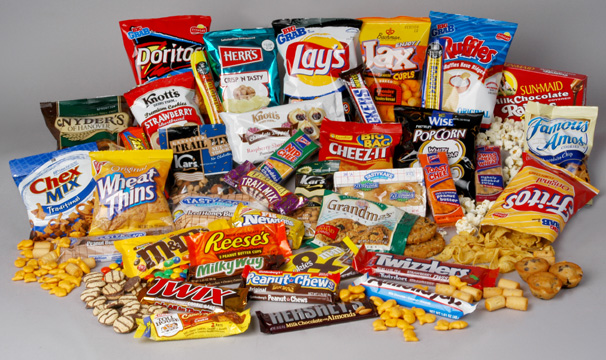
By the end of this post you will know how to say no to these foods.
Sleep Restriction Studies
Recent research has shown a correlation between a lack of sleep with increased consumption of sugary, caffeinated beverages (1). The study analyzed data from 18,799 adults who self-reported sleep durations and completed two 24 hour dietary recalls.
Out of the 18,799 adults, 13% slept five hours or less. The people who slept five hours or less had a 21% increase in sugary, caffeinated beverages. Sound familiar?
In another study, eleven healthy participants took part in two 14-day laboratory stays where they were given access to as much food as possible with either 5.5 hour or 8.5-hour sleep schedules. The study's goal was to measure and compare calories consumed from meals and snacks between the two sleep schedules.
By the end of the study, the scientists found that the sleep-restricted group had consumed significantly more calories from snacks and consumed a higher percentage of carbohydrates before bed (2). From these results, the scientists concluded that a sleep-restricted schedule in an obesity-promoting environment (aka our current climate) might cause excessive consumption of calories from snacks but not meals(2).
The scientists also measured the subjects' ghrelin (hunger hormone) levels. However, there was no difference between the groups. This lack of ghrelin could explain why the meal frequency did not increase.
But if the hunger hormone didn't increase, why did they find a significant difference in snacking between the sleep schedules?
Sleep Deprivation Increases Snacking
Thirty subjects took part in a study where they followed two different sleep schedules. The first phase required the subjects to sleep four hours per night, while the second phase required nine hours.
Each phase lasted six days, and on the last day, functional magnetic resonance imaging (fMRI) was used to determine how the subjects' brains reacted to food. The results showed increased neural activity in response to food after sleep restriction (3). Also, they found increased activation in brain regions responsible for reward and pleasure in the sleep-restricted group (3).
I believe the increase in pleasure-seeking behavior could be the reason why they consumed more calories from snacks. Based on the studies above, a lack of sleep will put you at a higher risk for increased snacking. So put down the phone, turn off the television, and get your eight hours of sleep.
References
Prather, A. A., Leung, C. W., Adler, N. E., Ritchie, L., Laraia, B., & Epel, E. S. (2016). Short and sweet: Associations between self-reported sleep duration and sugar-sweetened beverage consumption among adults in the United States. Sleep Health, 2(4), 272–276. https://doi.org/10.1016/j.sleh.2016.09.007
Nedeltcheva, A. V., Kilkus, J. M., Imperial, J., Kasza, K., Schoeller, D. A., & Penev, P. D. (2009). Sleep curtailment is accompanied by increased intake of calories from snacks. The American journal of clinical nutrition, 89(1), 126–133. https://doi.org/10.3945/ajcn.2008.26574
St-Onge, M. P., McReynolds, A., Trivedi, Z. B., Roberts, A. L., Sy, M., & Hirsch, J. (2012). Sleep restriction leads to increased activation of brain regions sensitive to food stimuli. The American journal of clinical nutrition, 95(4), 818–824. https://doi.org/10.3945/ajcn.111.027383
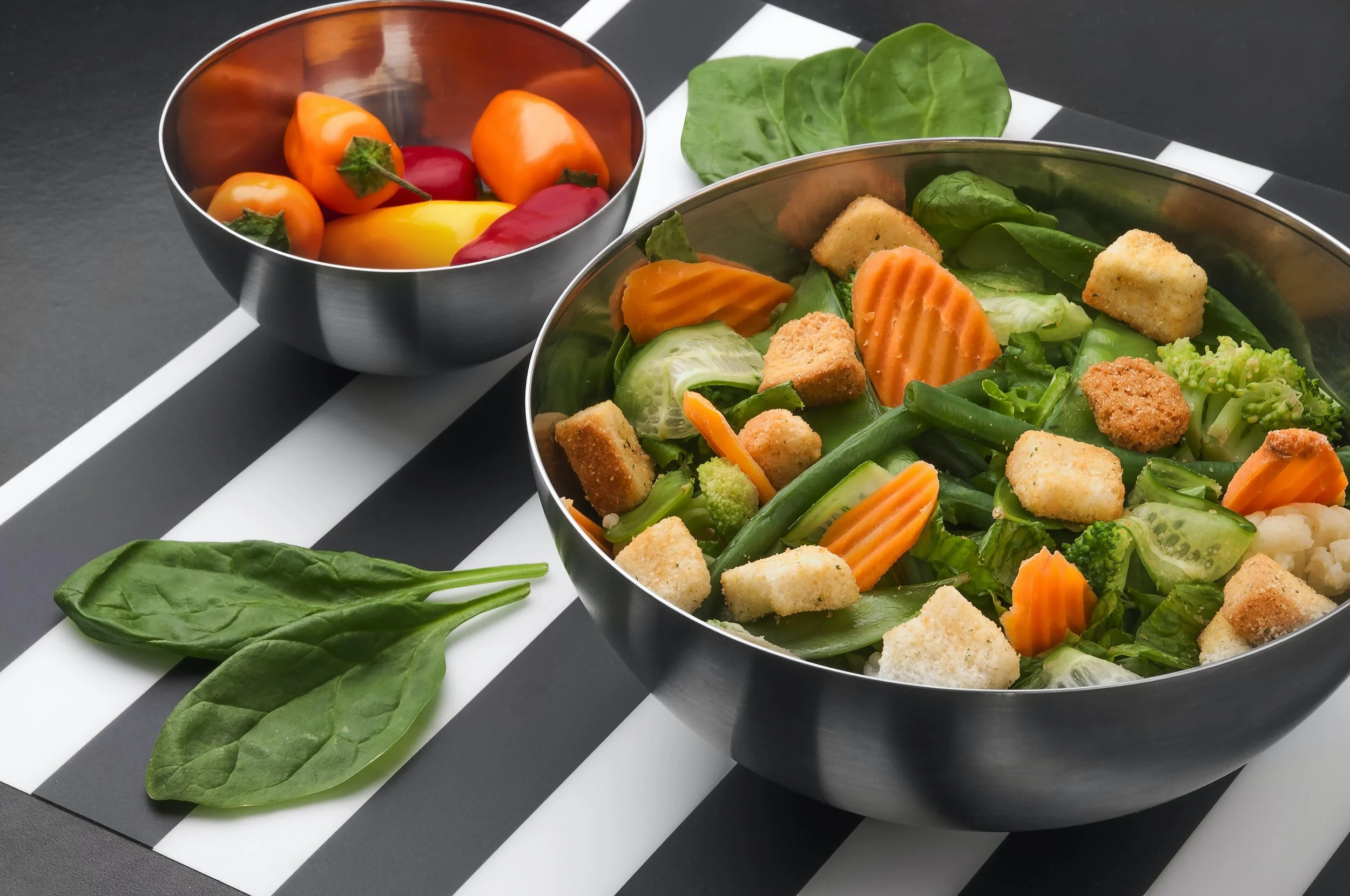
Frozen Veggies Are Better For You Than Fresh
I have broccoli in the freezer and fresh broccoli in my refrigerator as I am writing this. Unfortunately, the broccoli in the fridge has been sitting there for two days already. I am notorious for leaving veggies in my fridge. So I wanted to figure out if there was any nutritional advantage to fresh versus frozen. After all, frozen is cheaper and doesn't go bad.
It sounds like a win-win to me, but is frozen as healthy as fresh?
I have broccoli in the freezer and fresh broccoli in my refrigerator as I am writing this. Unfortunately, the broccoli in the fridge has been sitting there for two days already. I am notorious for leaving veggies in my fridge. So I wanted to figure out if there was any nutritional advantage to fresh versus frozen. After all, frozen is cheaper and doesn't go bad.
It sounds like a win-win to me, but is frozen as healthy as fresh?
After doing some research, I was shocked to see that frozen is as healthy, if not more beneficial, than fresh veggies (1,2). Yes, you read that correctly. Frozen vegetables are SUPERIOR to fresh vegetables.
Frozen Is Better
Frozen vegetables are picked at peak ripeness and flash frozen, locking in essential nutrients (1,2). In contrast, fresh vegetables are picked at a less mature, less nutrient-dense stage to last longer during transportation.
Granted, frozen vegetables are blanched before freezing, reducing the amount of vitamin C levels. But most experts agree that the nutrient loss from blanching doesn't compare to the loss of nutrients during transportation in fresh vegetables (3).
"If you pick vegetables at their ripeness peak, they've got their greatest abundance of nutrients, vitamins, and minerals – and that can be anywhere between 10% and 50% more than something that is commercially harvested as fresh."
-Gene Lester, plant physiologist and national program leader for the US Department of Agriculture
"When you compare fresh string beans in a store versus frozen, frozen will almost always be higher in nutrient content because they were picked and processed at the highest point of quality and then frozen to preserve them."
-Mario G. Ferruzzi, a professor in the Department of Food, Bioprocessing and Nutrition Sciences at North Carolina State University.
It's Not As Fresh As You Think
According to Lester, vegetables can be in a warehouse for 1-3 days before being placed on a truck for another 3-5 days before arriving in the store. From there, they will sit for another 1-3 days before purchasing. And let's be honest, most of us aren't eating all of our vegetables in the next one to two days. So the "fresh" veggies you bought are already a week old.
But what is wrong with week-old veggies Erik?
The nutrients in fresh produce start to degrade when they are exposed to light, heat, and oxygen, three things that every supermarket has. In contrast, frozen vegetables lose minimal nutrients in the freezer.
How to Cook Frozen Vegetables
Have I convinced you to buy frozen veggies this week?
If so, give my go-to recipe a try (video here)
I bake my veggies at 350 degrees for 35-45 minutes with 1-2 tablespoons of olive oil seasoned with salt and pepper.
If I have extra time, I will add in some garlic cloves, oregano, and basil.
When I am in a time pinch, I microwave my veggies in a glass container or bowl. You can minimize the loss of nutrient loss by cooking your vegetables for less time in lower amounts of water. Nutrient loss becomes higher as cooking time and water volume increase (4). However, the loss is still minimal and shouldn’t deter you from using the microwave (5).
Farm to Table Is Best
Nevertheless, nothing can replace fresh veggies from your local farmer's market. These farm-to-table vegetables have the highest nutrient quality if eaten in one to two days of purchase. However, these vegetables can be expensive and inaccessible. Thus, frozen vegetables are a viable alternative due to their low cost, long shelf life, and nutrient density.
References
1. Bouzari A, Holstege D, Barrett DM. Vitamin retention in eight fruits and vegetables: a comparison of refrigerated and frozen storage. J Agric Food Chem. 2015 Jan 28;63(3):957-62. doi: 10.1021/jf5058793. Epub 2015 Jan 13. PMID: 25526594.
2. Bouzari A, Holstege D, Barrett DM. Mineral, fiber, and total phenolic retention in eight fruits and vegetables: a comparison of refrigerated and frozen storage. J Agric Food Chem. 2015 Jan 28;63(3):951-6. doi: 10.1021/jf504890k. Epub 2015 Jan 13. PMID: 25525668.
3. Drayer, Lisa. Why Frozen Fruit and Veggies May Be Better for You than Fresh, CNN, 31 May 2019, https://www.cnn.com/2019/05/30/health/frozen-fruit-vegetables-drayer-food/index.html. Accessed 30 Sept. 2021.
4. López-Berenguer C, Carvajal M, Moreno DA, García-Viguera C. Effects of microwave cooking conditions on bioactive compounds present in broccoli inflorescences. J Agric Food Chem. 2007 Nov 28;55(24):10001-7. doi: 10.1021/jf071680t. Epub 2007 Nov 3. PMID: 17979232.
5. Cross GA, Fung DY. The effect of microwaves on nutrient value of foods. Crit Rev Food Sci Nutr. 1982;16(4):355-81. doi: 10.1080/10408398209527340. PMID: 7047080.
3 Reasons To Take Magnesium
Although diet and nutrition are a very popular topic of discussion, one often overlooked aspect of the conversation is micronutrient deficiency. Micronutrients are vitamins and minerals that can only be obtained through food or supplements. They are essential for the normal growth and development of living organisms. A deficiency in these nutrients can have profound detrimental effects, including fatigue, anxiety, and poor sleep. Sadly, these deficiencies are relatively common, especially as it pertains to magnesium.
Recent studies have shown that 70% of people lack the recommended amount of magnesium (1). This comes as no surprise, as most folks are not regularly eating a whole food-rich diet. Additionally, other factors can lead to magnesium depletion. These include poor rest and overconsumption of alcohol, caffeine, and even salt (2).
What Are Micronutrients?
The number of calories in a food is often the main topic of discussion, but micronutrient deficiency is often overlooked. Micronutrients are vitamins and minerals that can only be obtained through food or supplements. They are essential for the normal growth and development of living organisms. A deficiency in these nutrients can have profound detrimental effects, including fatigue, anxiety, and poor sleep. Sadly, these deficiencies are relatively common, especially as it pertains to magnesium.
Supplement With Magnesium?
With only 3 other minerals existing in the body in greater abundance, magnesium is responsible for over 300 metabolic reactions. The most crucial is regulating muscle growth, controlling blood sugar, and balancing energy. There has also been some research that links certain chronic diseases with magnesium deficiency (4).
“Low levels of magnesium have been associated with a number of chronic and inflammatory diseases, such as Alzheimer’s disease, asthma, attention deficit hyperactivity disorder (ADHD), insulin resistance, type-2 diabetes mellitus, hypertension, cardiovascular disease (e.g., stroke), migraine headaches, and osteoporosis” -Grober et al 2015
Still not convinced?
Here are the three most compelling reasons to begin taking supplemental magnesium immediately.
1. Reduces Stress & Improves Sleep
Almost everyone suffers from some form of anxiety (1). Despite where we’re located geographically, modern technology has hijacked our brains and often solicit the same anxiety-based responses designed to keep us safe from predators and other threats in the natural world. Additionally, constant digital communication makes it next to impossible for us to calm the mind. Combine that with a lack of magnesium, and you have the perfect recipe for a poor night's sleep.
Research has shown magnesium to play a significant role in calming down the nervous system and improving sleep, especially in the elderly (1,3).
In a double-blind, randomized study of elderly adults, subjects were administered either a placebo or 500mg of magnesium. At the end of the eight-week trial, the group receiving Magnesium had increased their sleep, had more effective sleep, and showed higher melatonin (3). Additionally, we saw decreased cortisol levels, proving magnesium supplementation's efficacy regarding stress management.
Even though this study was conducted on elderly individuals, I can attest to similar effects, including deeper, more restful sleep and less tossing and turning throughout the night.
2. Reduces Risk Of Disease
According to the CDC, heart disease takes a life every 37 seconds in America. However, a meta-analysis of 532,979 participants from 19 studies showed an inverse relationship between cardiovascular disease (CVD) and magnesium intake.
As magnesium intake increased, CVD risk decreased with the most significant decrease occurring when consumption went from 150mg to 400 mg per day (5). Two systematic reviews also showed a reduced risk for diabetes when magnesium-deficient patients took a supplement (6,7).
3. Reduces Inflammation
While many factors are responsible for chronic inflammation, research suggests magnesium deficiency may certainly be one (8). A review of seven separate studies of just under 35,000 subjects showed a direct correlation between low magnesium levels and higher c-reactive protein levels, a marker for inflammation (9). Furthermore, studies have also shown magnesium to help relieve inflammation in subjects experiencing higher inflammatory markers (10).
“findings to date provide convincing evidence that magnesium deficiency is a significant contributor to chronic low-grade inflammation that is a risk factor for a variety of pathological conditions such as cardiovascular disease, hypertension, and diabetes.” -Nielsen 2018
Which Supplement Should I Take?
Based on the above information, it’s safe to assume that you fall into most people who could benefit from magnesium supplementation. Regarding the type of magnesium supplement that is most effective, there are numerous claims that sprays are more effective than pills; however, there is little research to back this up (11).
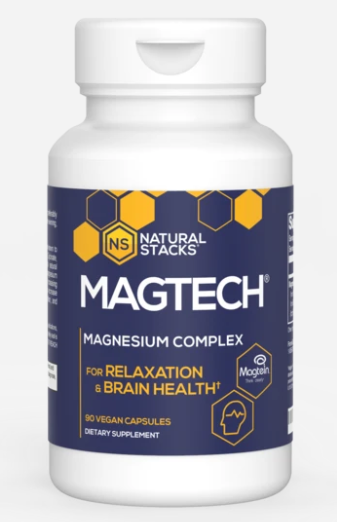
Therefore, I would recommend the magnesium supplement from Natural Stacks. Magtech is third-party tested and cGMP certified, which means it has everything it says it has. Also, it includes three types of magnesium to guarantee proper absorption. I have been using this product for the last two years and have seen my sleep and energy levels improve with it. But as always, you should consult your physician first.
Use the code: TAG15 to save 15% on your purchase
*full disclosure: I earn a small amount of commission for every purchase you make.

References
Boyle, N. B., Lawton, C., & Dye, L. (2017). The Effects of Magnesium Supplementation on Subjective Anxiety and Stress-A Systematic Review. Nutrients, 9(5), 429. https://doi.org/10.3390/nu9050429
Razzaque M. S. (2018). Magnesium: Are We Consuming Enough?. Nutrients, 10(12), 1863. https://doi.org/10.3390/nu10121863
Abbasi, B., Kimiagar, M., Sadeghniiat, K., Shirazi, M. M., Hedayati, M., & Rashidkhani, B. (2012). The effect of magnesium supplementation on primary insomnia in elderly: A double-blind placebo-controlled clinical trial. Journal of research in medical sciences : the official journal of Isfahan University of Medical Sciences, 17(12), 1161–1169.
Gröber, U., Schmidt, J., & Kisters, K. (2015). Magnesium in Prevention and Therapy. Nutrients, 7(9), 8199–8226. https://doi.org/10.3390/nu7095388
Qu, X., Jin, F., Hao, Y., Li, H., Tang, T., Wang, H., Yan, W., & Dai, K. (2013). Magnesium and the risk of cardiovascular events: a meta-analysis of prospective cohort studies. PloS one, 8(3), e57720. https://doi.org/10.1371/journal.pone.0057720
Morais, J., Severo, J. S., de Alencar, G., de Oliveira, A., Cruz, K., Marreiro, D., Freitas, B., de Carvalho, C., Martins, M., & Frota, K. (2017). Effect of magnesium supplementation on insulin resistance in humans: A systematic review. Nutrition (Burbank, Los Angeles County, Calif.), 38, 54–60. https://doi.org/10.1016/j.nut.2017.01.009
Simental-Mendía, L. E., Sahebkar, A., Rodríguez-Morán, M., & Guerrero-Romero, F. (2016). A systematic review and meta-analysis of randomized controlled trials on the effects of magnesium supplementation on insulin sensitivity and glucose control. Pharmacological research, 111, 272–282. https://doi.org/10.1016/j.phrs.2016.06.019
Nielsen F. H. (2018). Magnesium deficiency and increased inflammation: current perspectives. Journal of inflammation research, 11, 25–34. https://doi.org/10.2147/JIR.S136742
Dibaba, D. T., Xun, P., & He, K. (2014). Dietary magnesium intake is inversely associated with serum C-reactive protein levels: meta-analysis and systematic review. European journal of clinical nutrition, 68(4), 510–516. https://doi.org/10.1038/ejcn.2014.7
Gröber, U., Werner, T., Vormann, J., & Kisters, K. (2017). Myth or Reality-Transdermal Magnesium?. Nutrients, 9(8), 813. https://doi.org/10.3390/nu9080813